

Roman Blinds and Dubai Curtains: Overview of Window Treatment Trends
26/04/2026
The window treatments market in the UAE continues to evolve, driven by architectural innovation, climate considerations, and growing demand for functional interior solutions. Among the options available to homeowners and commercial property managers, Roman Blinds have emerged as a prominent choice for Dubai Curtains installations. This article provides a factual analysis of Roman blinds, their applicability in Dubai’s built environment, and relevant market data to inform procurement decisions.
Roman Blinds: Structure and Function
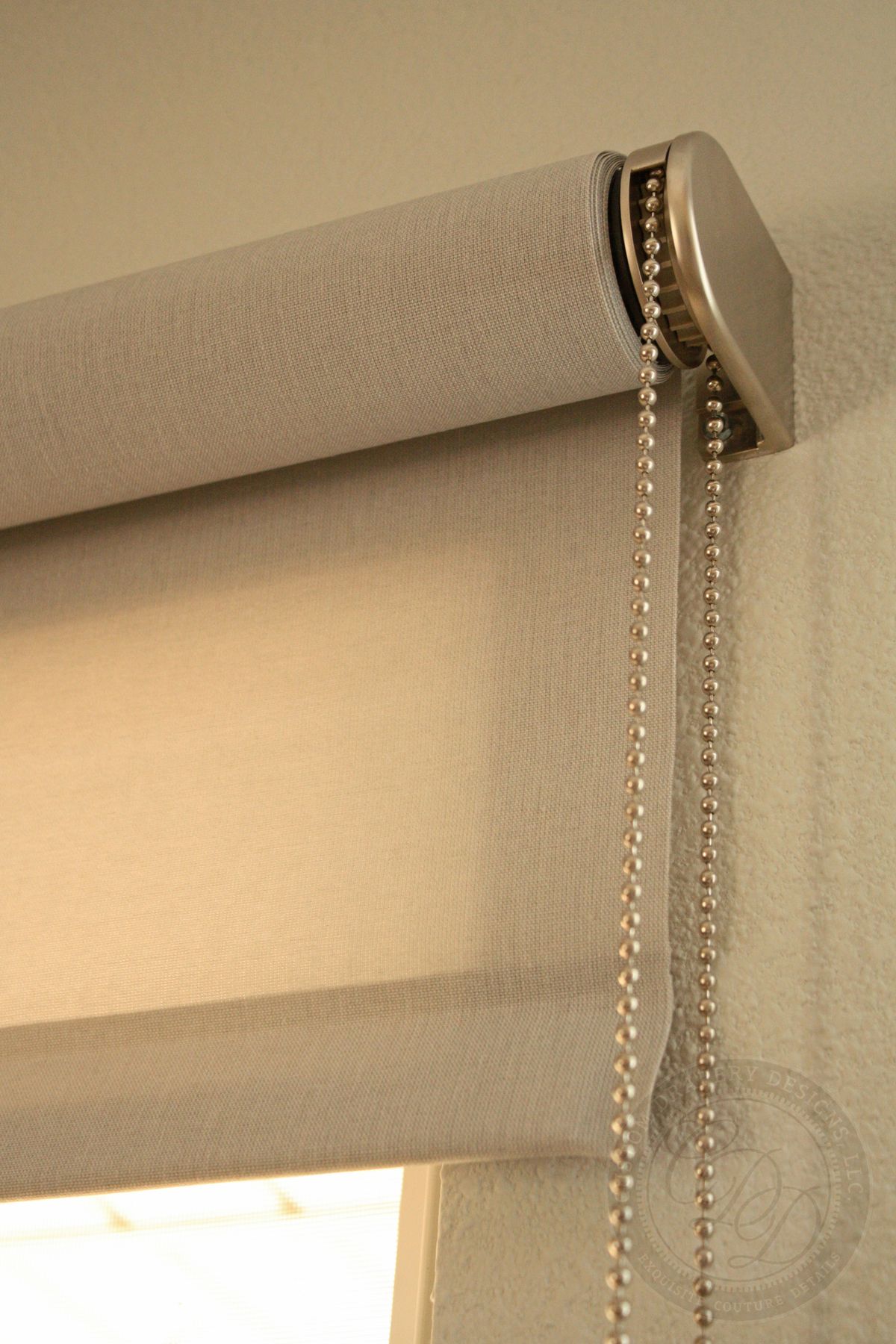
Roman blinds are fabric window coverings that fold into horizontal pleats when raised and lay flat when lowered. Unlike traditional curtains that gather at the sides, Roman blinds utilize a corded or motorized lifting mechanism that creates structured, uniform folds. Key technical specifications include:
- Fabric Compatibility: Suitable for light-filtering, blackout, or UV-protective textiles
- Mounting Options: Inside-mount or outside-mount configurations
- Operation Types: Manual cord, cordless lift, or motorized integration
- Customization: Precise measurements required for optimal fit and function
The design offers a streamlined aesthetic with minimal hardware visibility, making it compatible with contemporary architectural styles prevalent in Dubai’s residential and commercial sectors.
Why Roman Blinds Align with Dubai’s Environmental Conditions
Dubai’s climate presents specific challenges for window treatments: intense solar radiation, high ambient temperatures, and significant UV exposure. Roman blinds address these factors through several functional attributes:
- Thermal Regulation: When paired with appropriate fabrics, Roman blinds can reduce solar heat gain by up to 45%, contributing to lower HVAC loads .
- UV Protection: Specialized coatings and fabric densities can block 95–99% of UV rays, protecting interior furnishings from degradation.
- Light Control: Adjustable positioning allows precise management of natural illumination without compromising privacy.
In a region where cooling accounts for approximately 60 – 70% of residential energy consumption , window treatments that support thermal efficiency represent a practical investment rather than a purely aesthetic choice.
Dubai Curtains and the UAE Window Treatments Sector
The UAE window coverings market is projected to grow at a CAGR of 6.8% from 2024 to 2030, with Dubai representing the largest regional share . Several factors drive this expansion:
- Real Estate Development: Over 150,000 residential units were delivered in Dubai between 2022 and 2024, increasing demand for interior finishing solutions .
- Commercial Fit-Outs: Office and hospitality sectors prioritize standardized, durable window treatments that align with brand aesthetics and operational efficiency.
- Smart Home Integration: Approximately 38% of new luxury residential projects in Dubai now include pre-wiring for automated window coverings .
Within this landscape, Roman blinds occupy a mid-to-premium segment, appealing to buyers seeking a balance between minimalism, functionality, and customization.
Aura Curtains: Technical Specifications
Aura Curtains supplies and installs Roman blinds as part of its broader Dubai Curtains portfolio. The company’s operational model emphasizes precision manufacturing, material certification, and post-installation support. Key service parameters include:
- Material Sourcing: Fabrics meet UAE fire safety standards (UAE Fire & Life Safety Code of Practice) and carry relevant certifications for commercial applications.
- Measurement Protocol: Laser-based measurement systems ensure dimensional accuracy within ±2mm tolerance.
- Installation Timeline: Standard residential installations completed within 3–5 business days from final approval; commercial projects scheduled via phased deployment.
- Warranty Coverage: 24-month warranty on mechanical components; fabric warranties vary by manufacturer specifications.

Aura Curtains maintains a catalog of over 200 fabric options, including solution-dyed acrylics for exterior applications, polyester blends for high-traffic areas, and linen-look textiles for residential interiors. All Roman blind systems can be configured for manual or motorized operation, with compatibility for major smart home platforms (Control4, Savant, Crestron).
Practical Considerations for Maintenance
When selecting Roman blinds for Dubai properties, stakeholders should evaluate the following technical criteria:
- Fabric Weight and Opacity: Heavier fabrics provide better light blockout but require reinforced headrails. Light-filtering options preserve views while diffusing glare.
- Lining Options: Thermal or blackout linings add functionality but increase overall thickness; verify compatibility with window recess depth.
- Motorization Requirements: For hard-to-reach windows or integrated automation, specify quiet DC motors with battery or hardwired power options.
- Cleaning and Upkeep: Most Roman blind fabrics support vacuum cleaning or professional dry cleaning; avoid water-based methods unless fabric is explicitly rated for washability.
Maintenance frequency depends on location and exposure. Properties near coastal areas may require more frequent cleaning due to salt particulate accumulation. Commercial installations should follow facility management schedules aligned with HVAC filter replacements.
Roman Blinds Versus Alternative Window Treatments
|
Feature
|
Roman Blinds
|
Roller Blinds
|
Traditional Curtains
|
|---|---|---|---|
|
Space Efficiency
|
High (minimal projection)
|
Very High
|
Moderate to Low
|
|
Light Control Precision
|
High (adjustable folds)
|
Moderate
|
Variable
|
|
Thermal Performance
|
Good (with lining)
|
Good (with coating)
|
Excellent (with interlining)
|
|
Aesthetic Flexibility
|
Moderate (structured folds)
|
Low (minimalist)
|
High (drapery styles)
|
|
Motorization Compatibility
|
High
|
Very High
|
Moderate
|
This comparison indicates Roman blinds occupy a strategic position for projects prioritizing clean lines, moderate light control, and integration potential without the spatial demands of full drapery systems.
Conclusion:
Roman blinds represent a technically sound option within the broader category of Dubai Curtains, particularly for applications requiring structured aesthetics, climate responsiveness, and scalable installation. With the UAE window treatments market expanding and architectural standards evolving, specifying window coverings based on performance metrics rather than style alone supports long-term value retention.
For project managers, interior specifiers, and property owners evaluating window treatment solutions, Roman blinds offer a verifiable combination of form, function, and adaptability. Aura Curtains provides the technical infrastructure, material compliance, and installation capacity to execute Roman blind specifications across residential, hospitality, and commercial sectors in Dubai.
Stakeholders seeking product catalogs, technical datasheets, or project consultations can access detailed specifications through the official Aura Curtains channel.
Our Latest Blogs & Articles
Blog


Blog

Blog

Blog
Book Your Free In-Home Measure & Quote
Let us help you find the perfect fit. Our specialists will measure your windows and provide a custom quote tailored to your style and budget.