Author: Asghar Paracha

  • How to Layer Sheer & Blackout Curtains?

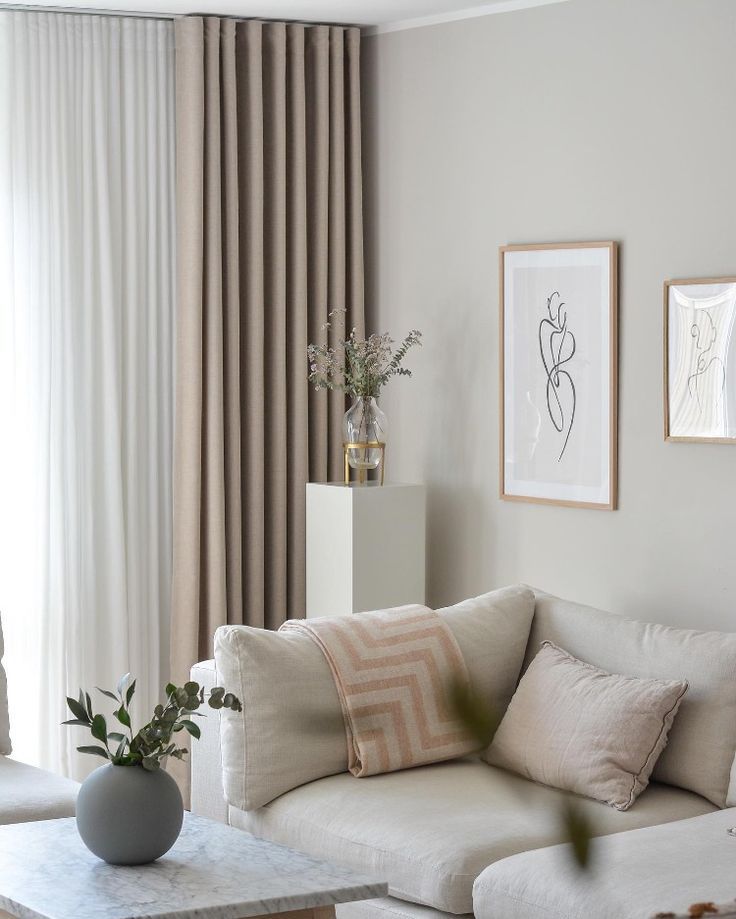
    Are you wondering about how to layer sheer and blackout curtains? Block-out or Blackout curtains are remarkable as they block both the noise and sunlight. However, when double curtains sheer and block-out combine these curtains let complete sunlight inside the room. On the other hand, not a single ray of light can pass through if these are closed. Thus, there is no intermediate option in between. Combining sheer and blackout curtains is one of the most recommended options to consider. In this blog, we will provide comprehensive guidance regarding how to layer sheer and blackout curtains.

    Guide to Layering Sheer and Block-out Curtains Together

    If you want to know how to layer sheer and blackout curtains for privacy and light, consider combining blackout curtains (block-out curtains) with sheer curtains. Furthermore, while doing so, you can also achieve a sophisticated and luxurious appearance, thus elevating the space. To double up curtains, there are various processes and steps you can take to achieve the desired outcomes. But for this purpose, you also need to consider the factors such as aesthetics, space, color combinations, and type of fabrics. 

    What Style of Curtain to Choose?

    If you know how to layer sheer and blackout curtains together, you can enjoy the best of both worlds in terms of beauty and privacy. There are many designs and patterns available for sheer curtains. On the other hand, when these are paired with pattern block-out curtains, they act as plain fabric. 

    Options Galore: Layered Window Treatments

    Double-layered drapery is not only rich in terms of aesthetics, but it also focuses on insulation, higher privacy, and versatility. Before diving deep into specifics regarding how to layer sheer and blackout (block-out) curtains, here are the following things you need to focus on: 

    1. Valences for Layering Curtains: 

    The single and short panel drapes that cover a window’s top section are known as valances. Adding valances can give the room a more dressed-up appearance as a treatment for the top layer. These are designed to hide the hardware of the drapery when you think about how to layer sheer and blackout curtains together. The purpose of valances is more style rather than function. Contrary to belief, these are not useful choices for light blockage. But when you layer sheer and blackout curtains, these let you enjoy the function of curtains, and the style benefits from the valance.

    1. Layering Curtains with Blinds or Shades

    If you are looking to layer block-out and sheer curtains together, then another compelling idea is to layer curtains on top of Roman shades or blinds. Thus, you can enjoy the traditional curtain look when they are closed, without using shades at all. But when you think of hanging them too far down they would expose the shade, while drawing the curtains back. On a sunny or bright day, you may block the position of the sun by pulling your shade down enough. You can take advantage of pairing sheer and blackout curtains with movement in an upward and downward direction. The curtains do not enjoy such functionality, as the shades do. When combining opaque drapes with sheer Roman shades on the front, provides higher privacy and light control. 

    Putting Sheer Curtain in front of the Blockout Curtain:
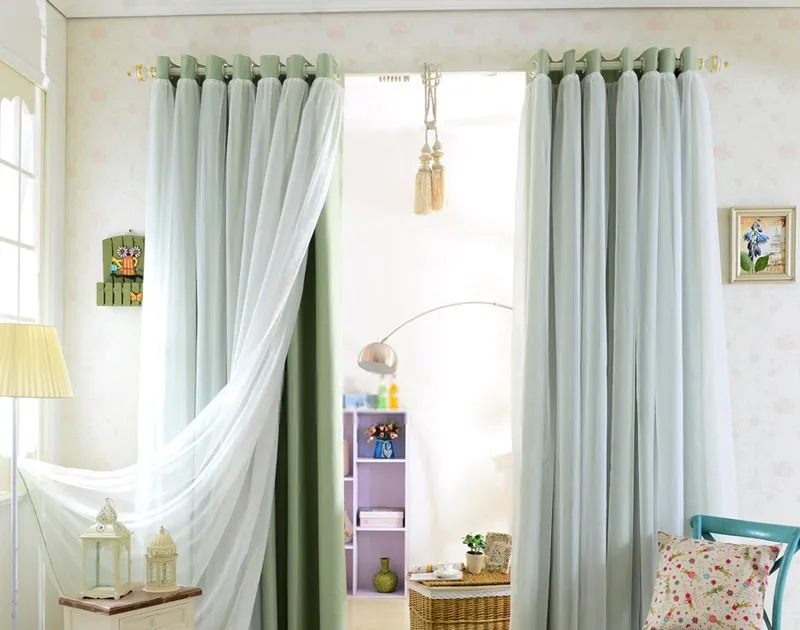
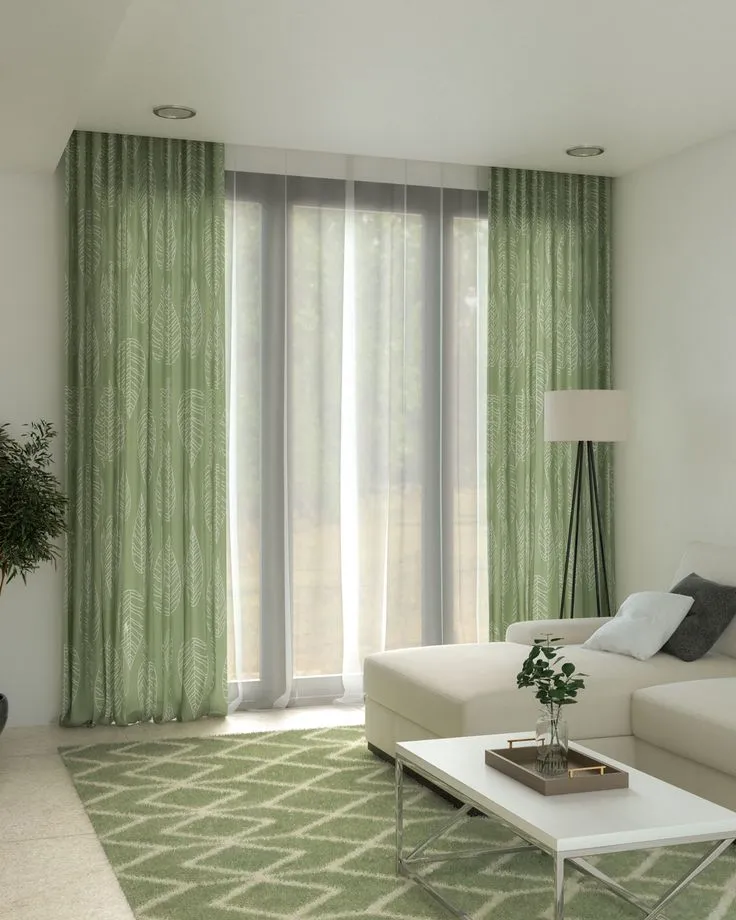
    You can use double curtains sheer and block-out together in two ways. The first way to do so is to put sheer curtains in front of the Blockout Curtain. For durable curtains, this layering method is commonly used. When you put a sheer curtain in front of the block-out curtain, it paves the way for diffused and soft light throughout the day. Hence, it softens the window’s appearance and during the evening, block-out curtains provide total privacy when drawn close. The option of curtain layering is particularly common in coastal or contemporary homes. Sheer curtains feature achieving airy and bright ambiance. 

    Putting Block-out Curtain in front of the Sheer Curtain:
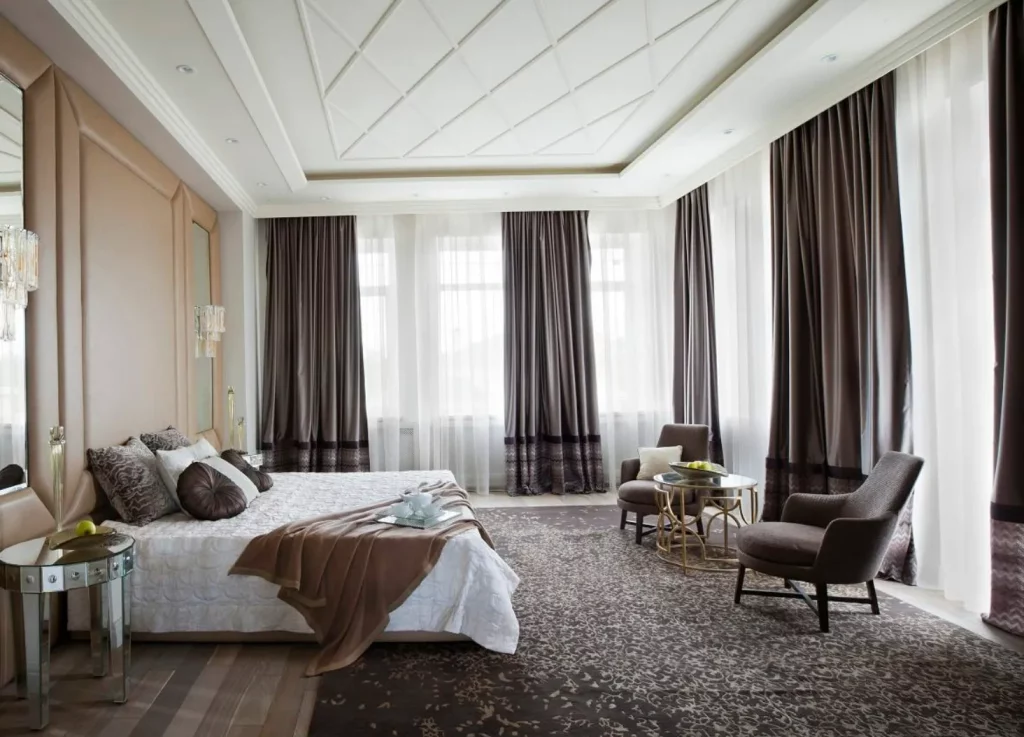
    The alternative to the previous option is putting block-out curtains in front of sheer curtains. This type of layering of curtains uses heavy drapery such as barcode or velvet to achieve a luxurious appearance. This option for layering curtains is seen in traditional style interiors (Victorian and French Provincial) as well as in Hollywood Glam.

    When you feature Block-out curtains for double curtains, you can see a choice of uncoated or coated fabrics. In coated fabrics, you can see the application of coating from behind. It helps in blocking out the light. On the other hand, uncoated fabrics have a separate line added to them. These create a Block-out Curtain, giving them a softer drape and look. The range of block-out fabrics includes extensive patterns and print selection in all colorways. Regardless of the choice you make, it is necessary to suit your lifestyle and aesthetic. The key to fabrics is the quality and every quality is known for its own levels of performance and characteristics.  

    Fabric Options for Sheer Curtains: 

    1. Linen Blend or Natural Linen: 

    Linen blend or simply natural linen is the epitome of modern luxury. There are a variety of interior styles and settings in which you can use these sheer curtains. Whether beach-themed or coastal interior these work well for farmhouse-style homes, minimalist or Scandinavian interiors. Natural Linen Blend curtains are also the best choice for luxury homes. Here these are used for creating more natural aesthetics or approachable ambiance. 

    1. Cotton Blend: 

    Cotton blend is considered the second natural fabric, ideally suited for contemporary homes and modern interiors. This fabric is composed mostly of polyester having high performance, considered as best choice for busy families. 

    1. Synthetic Fiber: 

    The third most used material for sheer curtains is synthetic fiber, particularly polyester. Fabrics like these can mimic the beauty and texture of natural fibers. However, they are generally more affordable but have low maintenance. 

    Factors to Consider for Layering Block-out and Sheer Curtains: 

    When layering sheers and block-out curtains together, consider that it is not about fulfilling the aesthetic requirements. But it fulfills different functional roles as well besides that. Some of the considerations and advantages for the same are mentioned below: 

    1. Privacy and Light Control

    For homeowners, privacy is considered one of the premier concerns that needs addressing. For the sake of securing their homes, people take several measures to ensure they remain unharmed. These include the installation of CCTV cameras or using trusted VPN services to improve their privacy online. Yet a simple but effective way to do so is to focus on treating your windows correctly. Thus, doubling up décor elements and improving home aesthetics. 

    It is a greater opportunity to layer curtains to control the light inflow. Besides that, it is also helpful in managing a room’s privacy. For example, if you choose a single opaque curtain set, there are two real options you can choose i.e., closed or open. However, adding sheer drapes set behind the curtains gives you more control of outflow to manage a room’s light. Combining sheer and block-out curtains allows for complete privacy and filtration of soft light. 

    1. More than Just a Functionality by Enhancing Aesthetics: 

    There are more than practical benefits to choosing layered curtains. These also help in improving your space’s aesthetics. The contrasting nature of block-out and sheer curtains adds texture and depth to any décor of the room. This duo is flexible for your mood and needs, whether you choose complete darkness or a gentle filtered light. This combination complements your living spaces beautifully with block-out and sheer curtains. 

    1. Thermal Implications

    Room temperature is also a factor to watch out for besides aesthetics while choosing layering choices. The block-out layer acts as significant insulation against temperature, light, and sound. If you want your room to remain cooler during summer and warmer during winter then you can use the double layer curtains to your advantage. Or if you want to dampen the inflow of light and noise in a media room or bedroom for instance. When you further layer it with another sheer set, the factor of insulation goes further high, binging your bills further down.

    1. Develop your Palette of Materials:

    There is a choice of world out there and the ultimate thing to do in this regard is to get locked in your decisions before you know about the available options. Similar to fashion, certain fabrics go through ranges and trends including modern fabrics throughout the world. The performance of the fabric is also advancing continuously. So, choose a reliable company that can advise you to use appropriate fabrics according to the needs of your lifestyle. 

    Conclusion

    The size has an instrumental role to play while choosing suitable block-out and sheer curtains. This combination works best to optimize functionality besides improving the aesthetic appeal. To transform the ambiance of the room, it is necessary to choose curtains with the appropriate color palette. Combining dark-toned block-out curtains with light-colored sheers can allow light control needs simultaneously. When you select the type of fabric, it directly impacts the maintenance requirements and durability of a curtain. For sheers, it is ideal to choose linen or breathable cotton, whereas polyester blackouts consist of unparalleled capabilities of light blockage. 
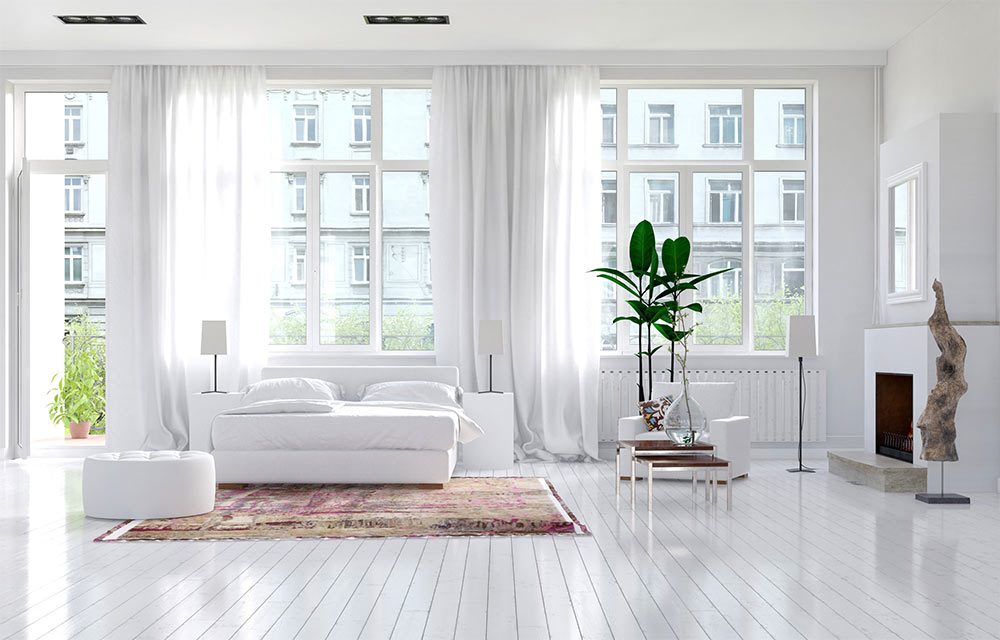
  • 25 Best Curtain Colors For White Walls

    25 Best Curtain Colors For White Walls

    Do you have difficulty choosing the right curtains for white walls? Figuring out the question regarding the correct combination of color palette. The biggest problem while choosing the right curtains that match the white walls is to ensure that your selection is right, People tend to get confused about what color curtains go with white walls since the decision is not easy to make. Everyone looks forward to decorating their home, but they mess up with their basics. But worry no more, since this blog will help you figure out the best color curtains for white walls. If you get the basics right for your home, your décor may appear lively with the inclusion of appropriate shades. 

    When you get the basics right regarding choosing curtains for white walls for your home, it makes your space inviting and warm. There are several options worth a try for your home besides choosing white curtains on white walls. Besides color, the presence of natural light in the room is also a crucial factor. In this blog, we will find the range of best color curtains for white walls that will elevate the mood of your room. It is equally important to know how these curtains on the window appear during the night or day. For a contemporary vibe colors like colors like emerald green, navy blue, and white curtains for the bedroom work best. On the other hand, traditional spaces use metallic shades like rose gold or gold. Keep the colors lighter and neutral for sunny south-facing rooms. This helps in keeping the room bright. 

    Choosing the Best Color curtains for white walls: 

    Choosing curtains for white walls is a very hectic job. This is because you have to go through a whole variety of colors for stylish or classic design space. Here are some of the range of colors, mentioned below: 

    1. Soft Gray:

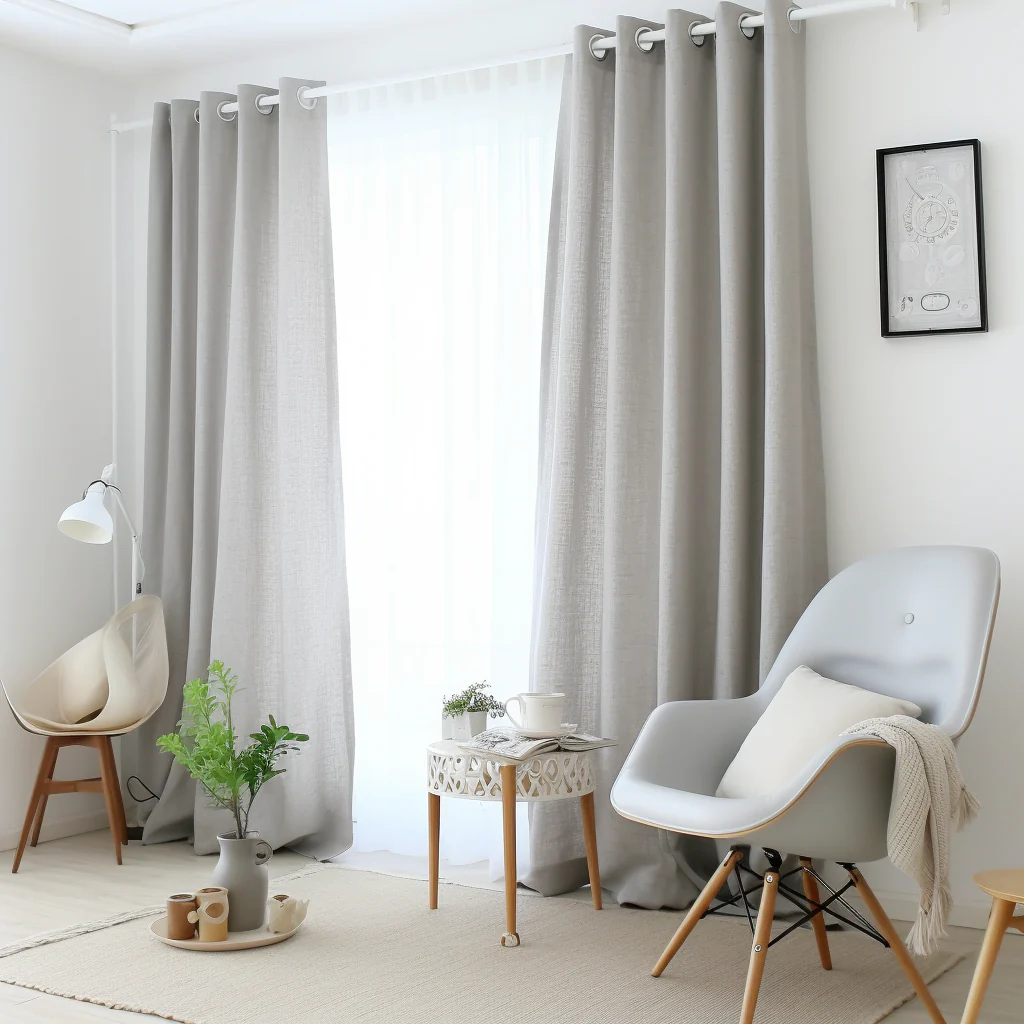
    If you are searching for the color of curtains for white walls, then soft gray is one of them. By pairing with white walls, soft gray curtains provide a neutral yet sophisticated appearance. From modern to traditional, gray is among the best color curtains for white walls. This is because it adds versatility and complements several types of design styles. The color does not overwhelm the space and adds a depth layer. Furthermore, not everyone wants change and thus try out options other than white curtains on white walls. As a curtain color, gray creates a calming effect. Hence, it is an obvious choice for living rooms or bedrooms, creating a serene environment. 

    1. Light Blue:

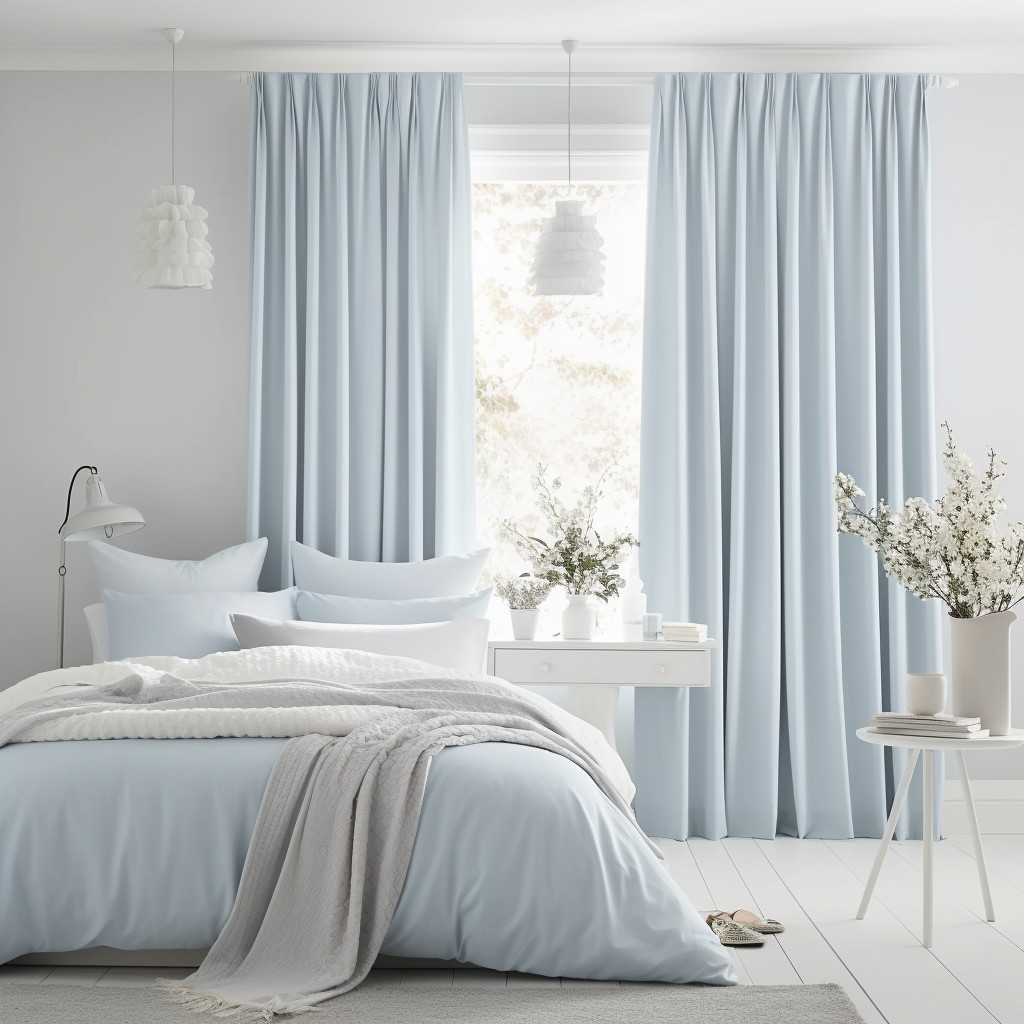
    By combining with white walls, powder or light blue color appears timeless, creating a tranquil and calming effect. Light Blue curtains for white wall is ideally suited for areas like offices, bedrooms, and living rooms. These curtains appear airy and light. Furthermore, the same shade of solid blackout curtains also appear elegant. 

    1. Navy Blue:

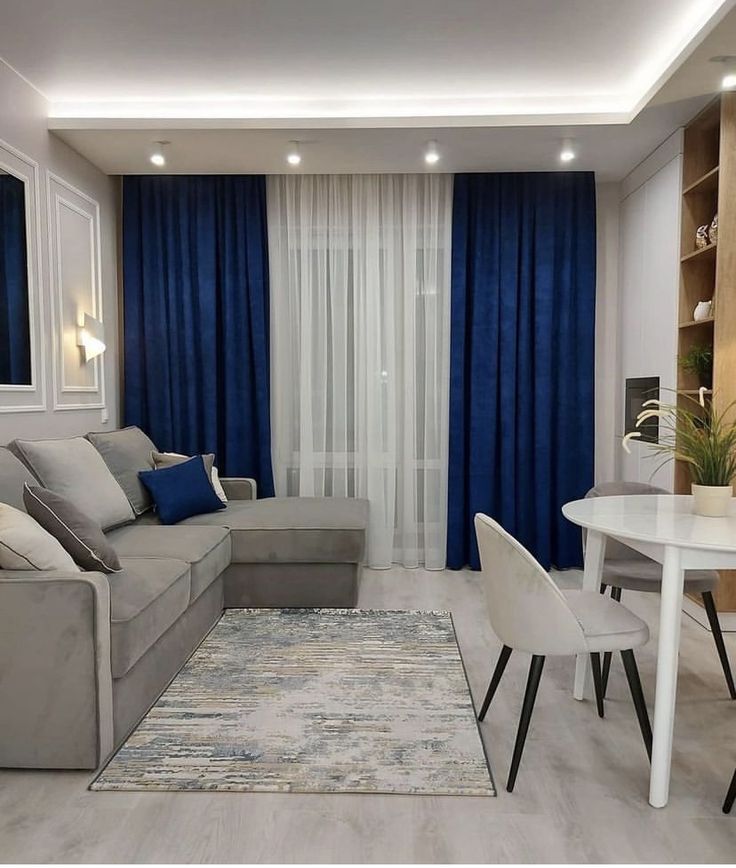
    The combination of white walls and navy blue curtains appears very good. This is because, white is neutral and light, whereas navy blue is a dark color. Thus, combining the two contrasting colors gives an appealing outlook to your room. This ideal choice without worrying about what color curtains go with white walls.

    1. Light Gray:

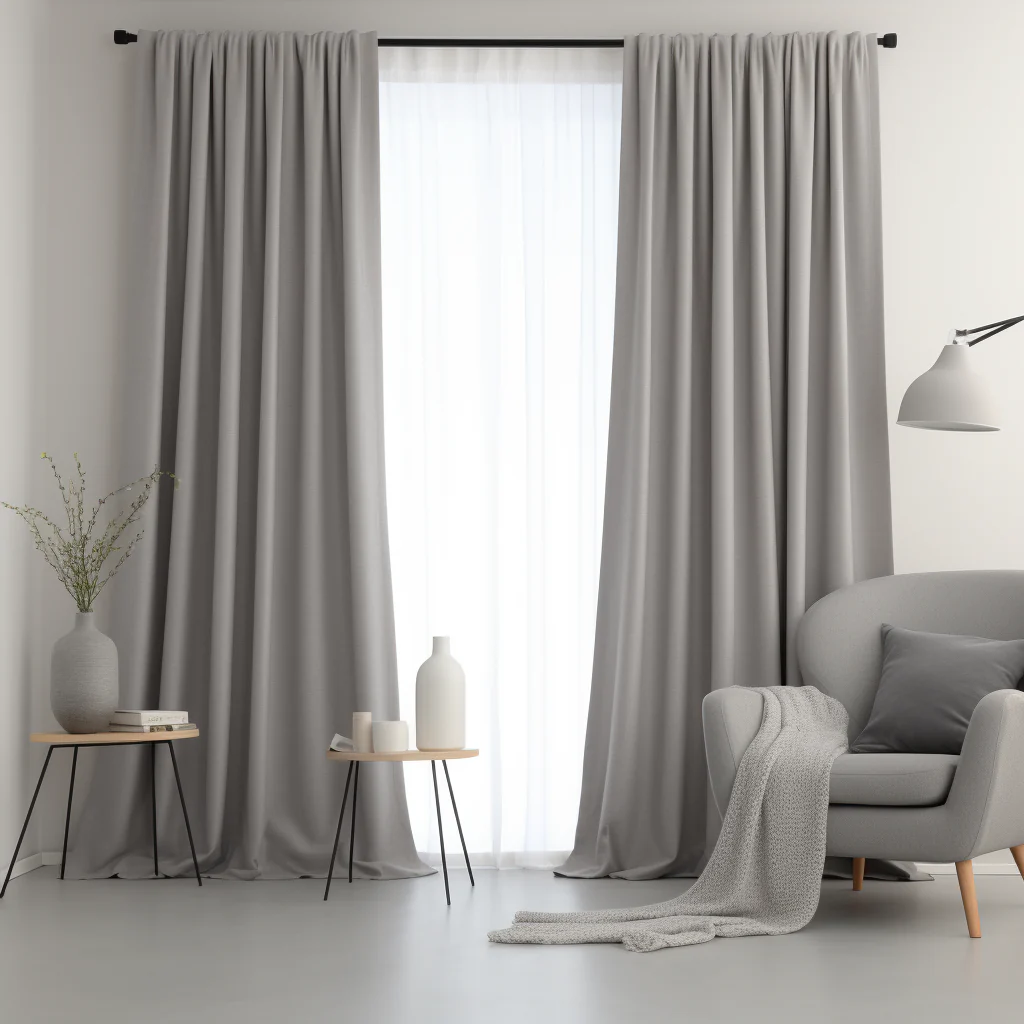
    White walls when combined with light gray walls give a sophisticated and subtle appearance. It creates a quiet backdrop with a neutral gray tone. It will not compete with other art or furniture. The color is best suited for creating a minimalist and modern feel. With the white trim choose gray or light gray solid curtains.  These work better as compared to white curtains on white walls. 

    Also Read: What Color Curtains Go with Gray Walls?

    1. Deep Purple:

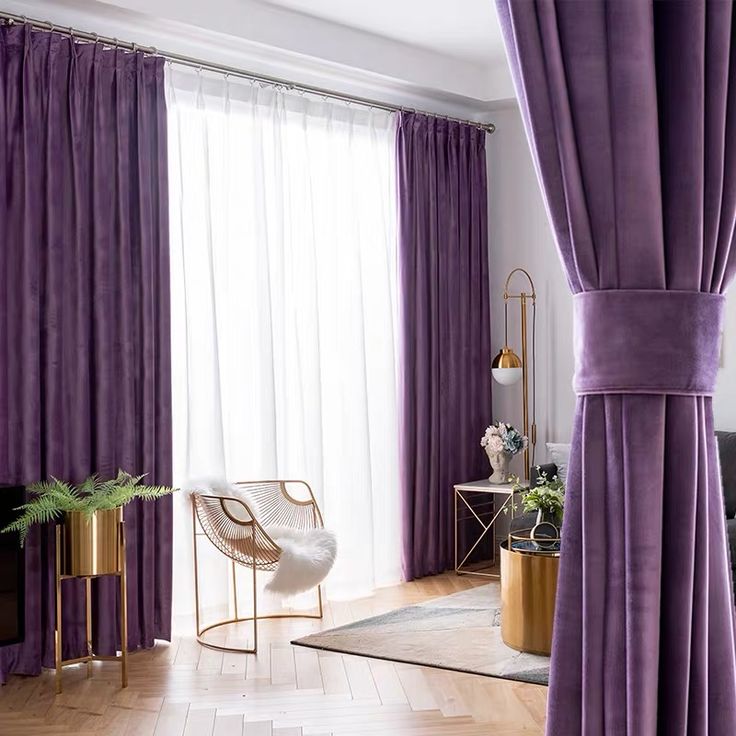
    Similar to Navy Blue, Deep Purple also contrasts very well with white walls. For better results, you can use different shades of purple. With the white walls, deep purple colors add a regal and rich statement. This color adds sophistication and a sense of opulence to the room as well as elegance and dramatic appeal. In the formal spaces, it works with master bedrooms or dining rooms, thus letting you create a strong impression.

    1. Emerald Green:
    Version 1.0.0

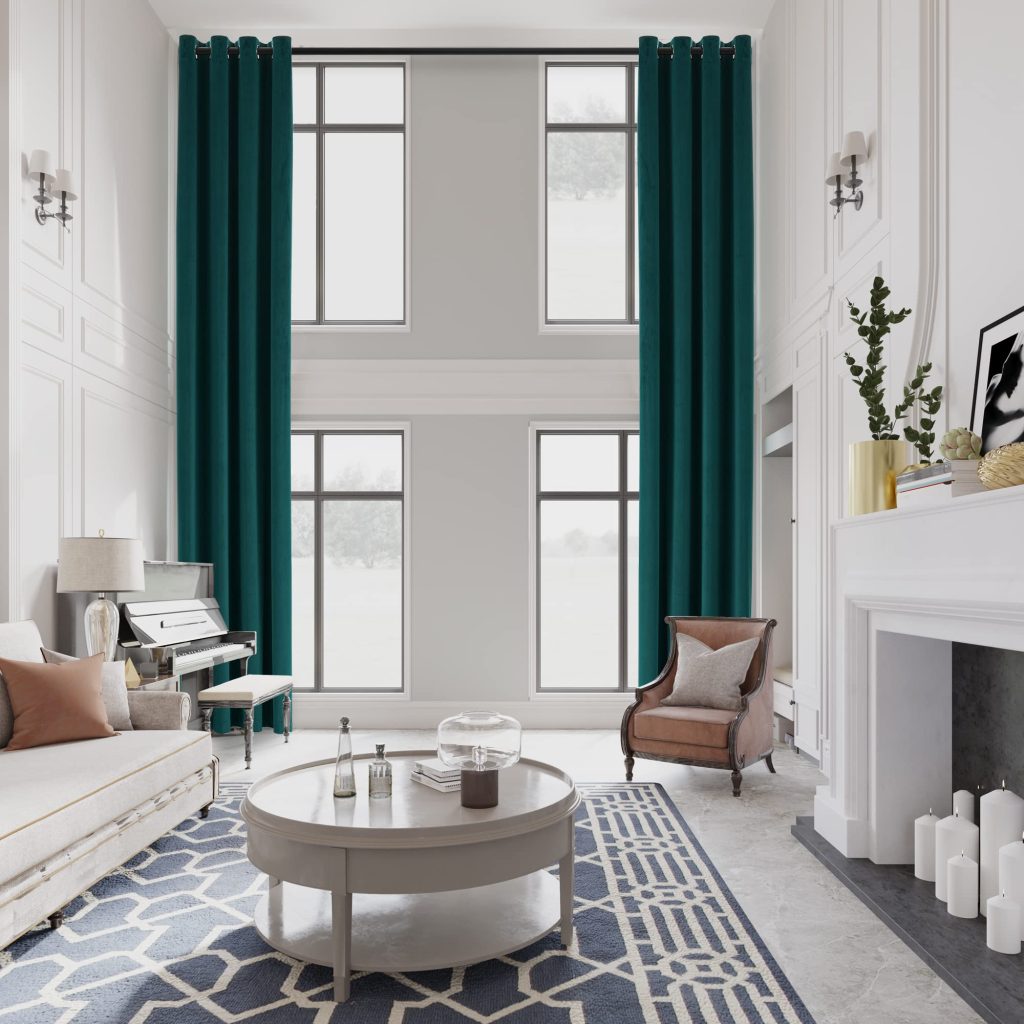
    With the white backdrop, Emerald green creates a gorgeous appeal. It adds freshness and vibrancy with a jewel tone. For elegant and lush appeal, use solid emerald curtains in bedrooms and living rooms. For sunny rooms, sheer emerald green creates a beautiful aura and appeal.

    1. Blush Pink:

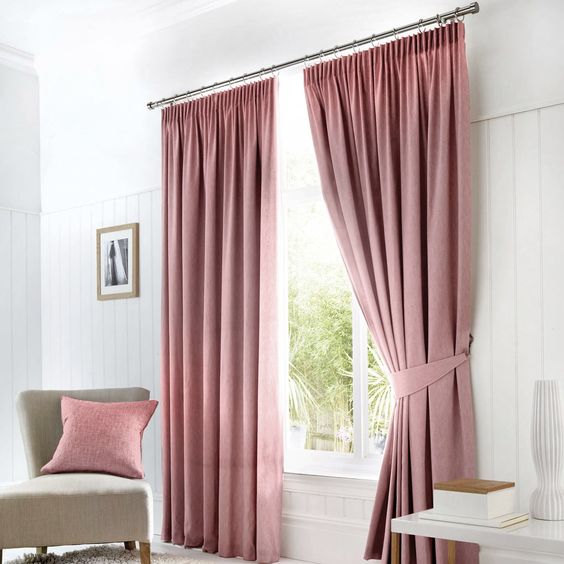
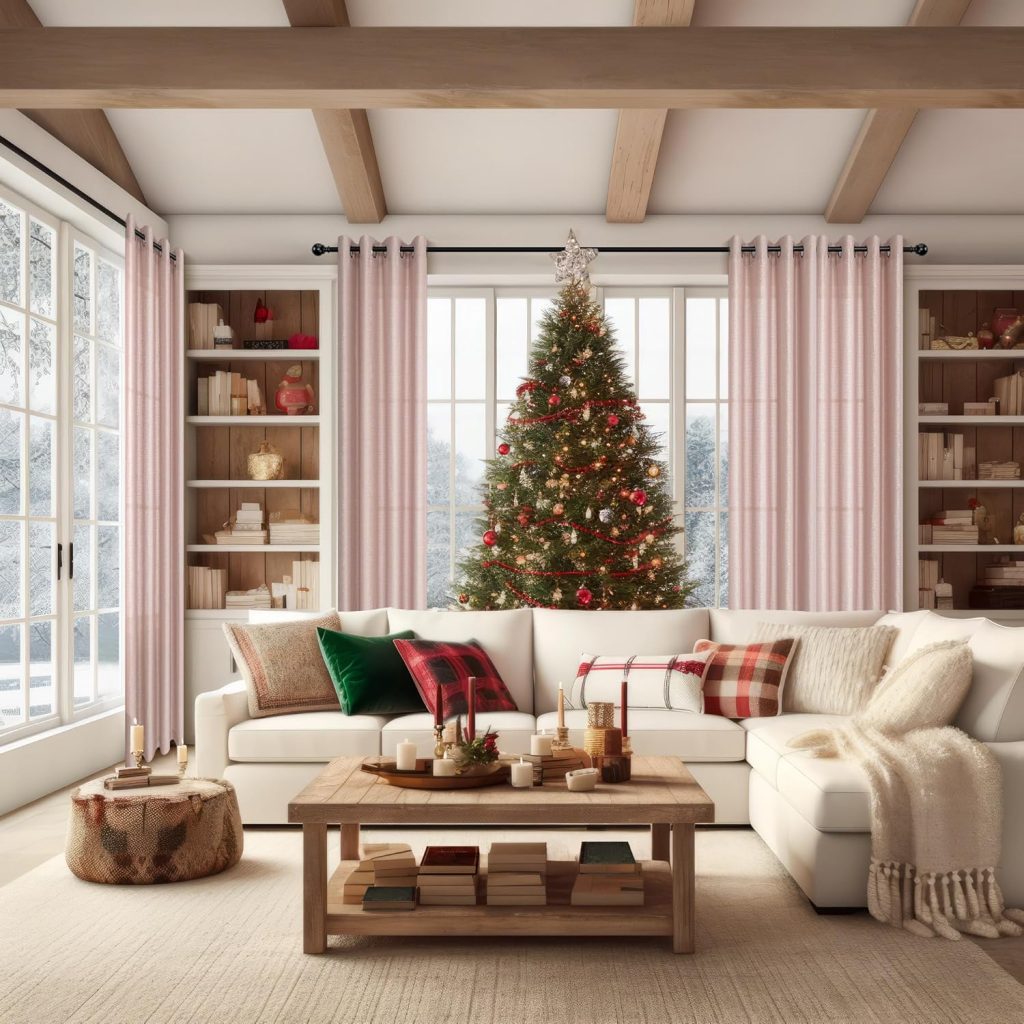
    Blush Pink is a soft color that adds a wonderful contrast to the white walls. A white wall when combined with blush pink curtains creates an amazing outlook. To improve the overall design and look of the room, you can also use a lamp, chair, or lamp as accessories.

    1. Black:

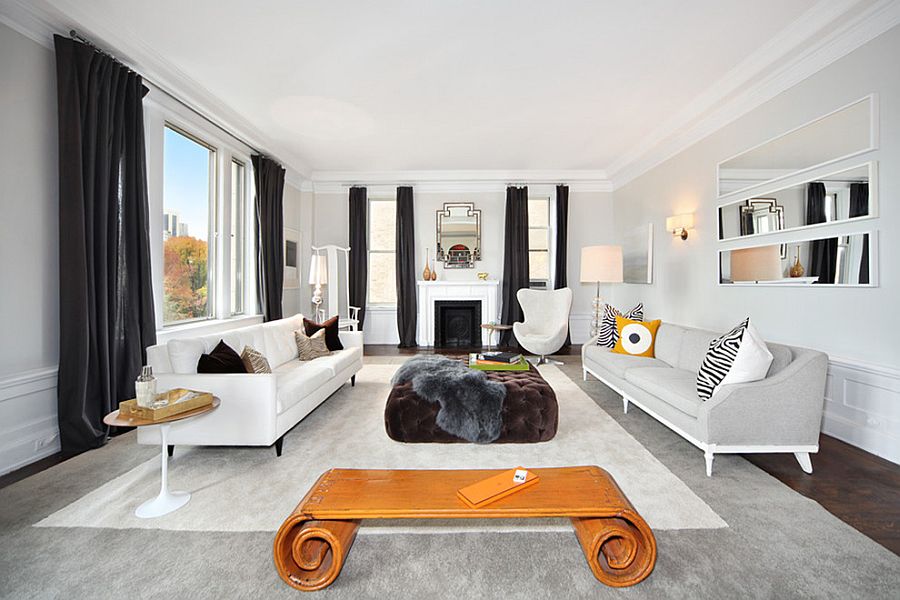
    Black-colored curtains with white walls pave the way for a seriously chic look. You can find the color with any curtain outlet, creating a more fashionable and modern feel. For warmth and visual weight, making use of black in the interior works wonders.

    1. Beige:

    With white walls, beige colors curtains appear very attractive and balanced. When the white walls pair up with Beige curtains, they create a warm, timeless, and sophisticated aesthetic functional with any space. When these two colors complement each other, they create coziness and neutral appeal. Hence, it is ideal for transitional, minimalist, rustic, or modern interiors. Beige-colored curtains and white walls effortlessly combine a modern minimalistic approach, a Scandinavian-inspired sanctuary, or a cozy farmhouse vibe. Mixing tones and layering textures, keep the space appearance dynamic in nature. 

    1. Yellow:

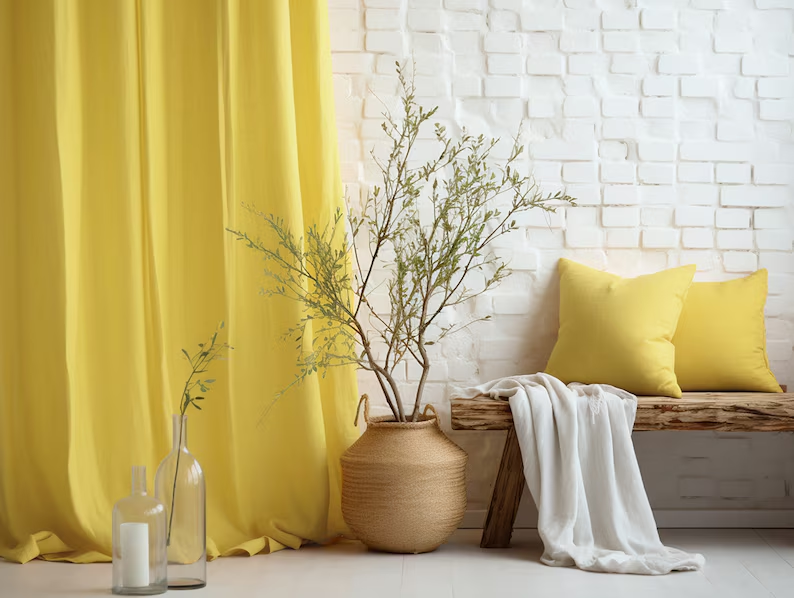
    In a white room, bright yellow curtains bring a cheerful energy. The color is welcoming in nature with its lively shade. For a sunny and soft look, pale yellow works ideally, whereas bold yellow is for a contemporary and graphic vibe. Yellow can be used in kids’ rooms, kitchens, and bedrooms. 

    1. Charcoal Gray:

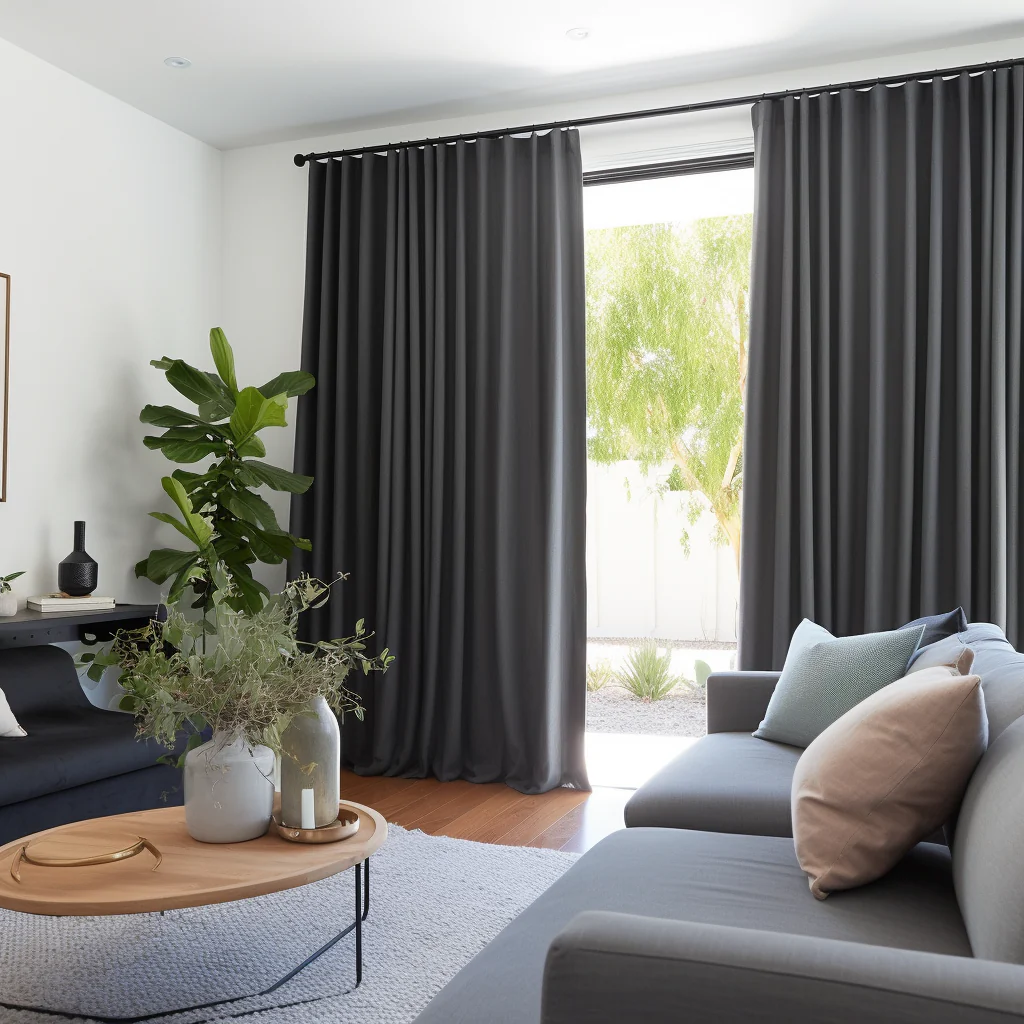
    With white walls, charcoal gray curtains create a contemporary style enhancing the overall design and look. The combination creates a balanced and striking contrast exuding modern grace. This combination is valid for traditional, contemporary, minimalist, or industrial interiors.

    1. Rose Gold:

    If you want to add glamor to the white room, then rose gold is the right choice. It appears romantic and elegant with a warm pinkish tone. To add visual interest, pair them with white trim or try shimmery rose gold curtains that appear appealing in low natural light.

    1. Mint Green:

    As compared to normal green, Mint green curtains provide a softer appearance. By using additional accessories like lamps, chairs, small tables, and other things, the room gives a unique appearance. To create a rejuvenating and crisp aesthetic, it appears both timeless and modern. This cool and soft color gives any room a breath of fresh air. As a result, it gives a playful vibe evoking nature’s serenity. It is ideal for a whimsy touch and calmness ideally suited for the spaces. Mint green gives natural serenity with lush greenery and tranquility. Thus, it makes the rooms feel refreshed and peaceful. 

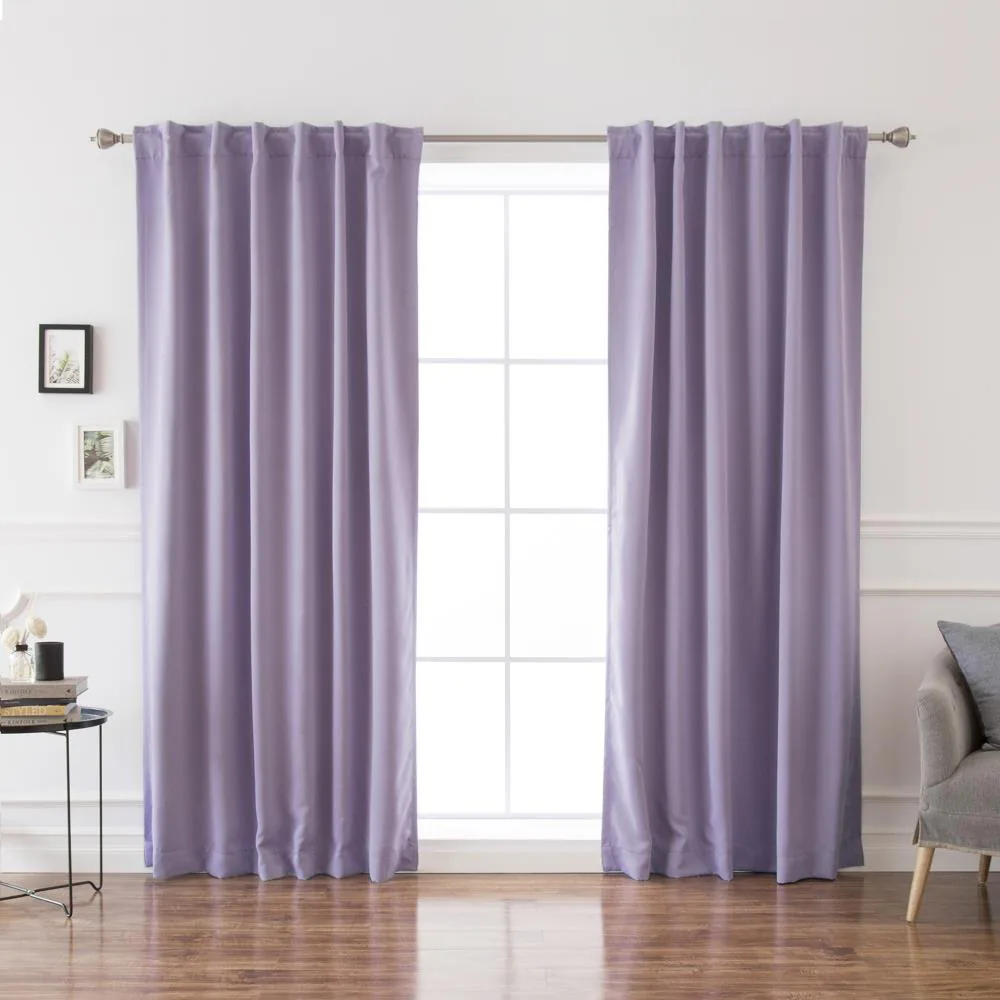
    1. Lavender Purple: 

    Lavender Purple is another ideal color for the white walls giving a feminine and soft feel. Lilac and lavender’s pastel shades appear romantic and dreamy with crisp white. 

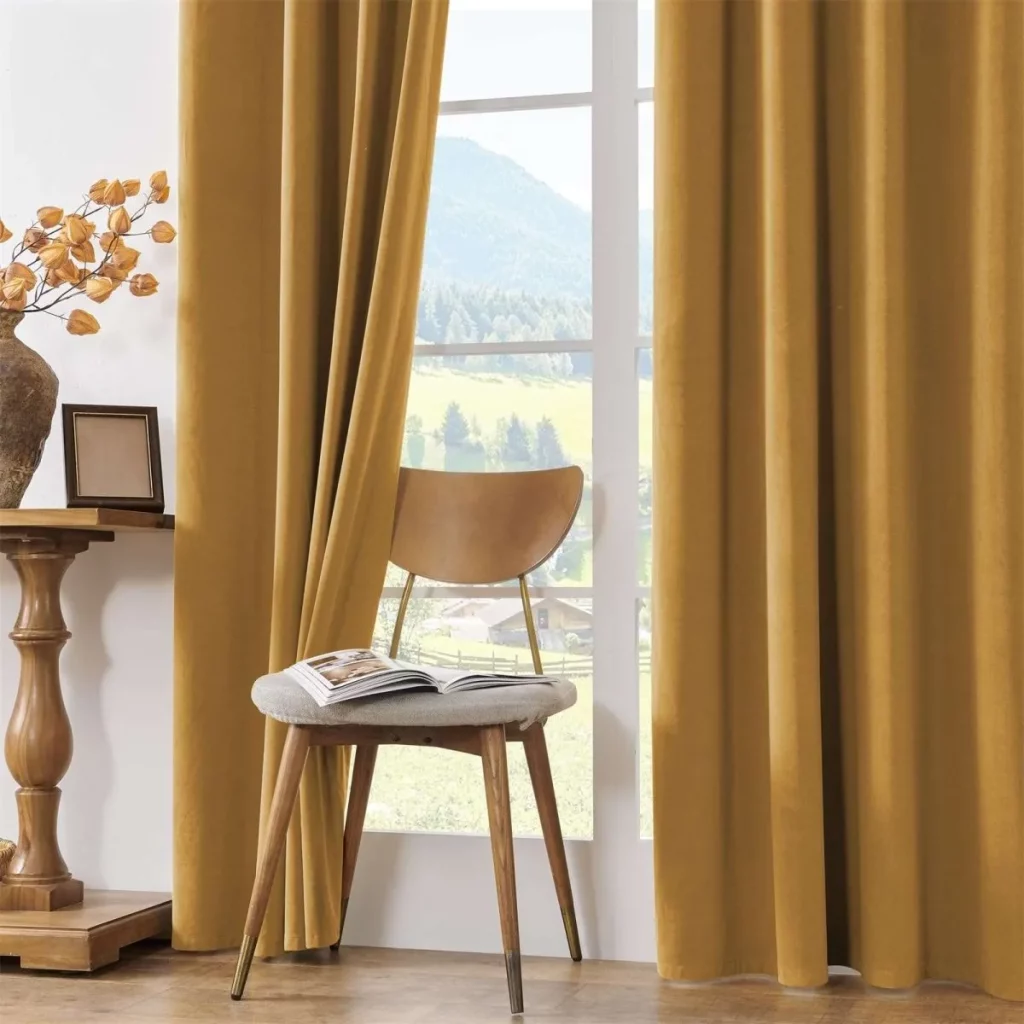
    1. Mustard Yellow:

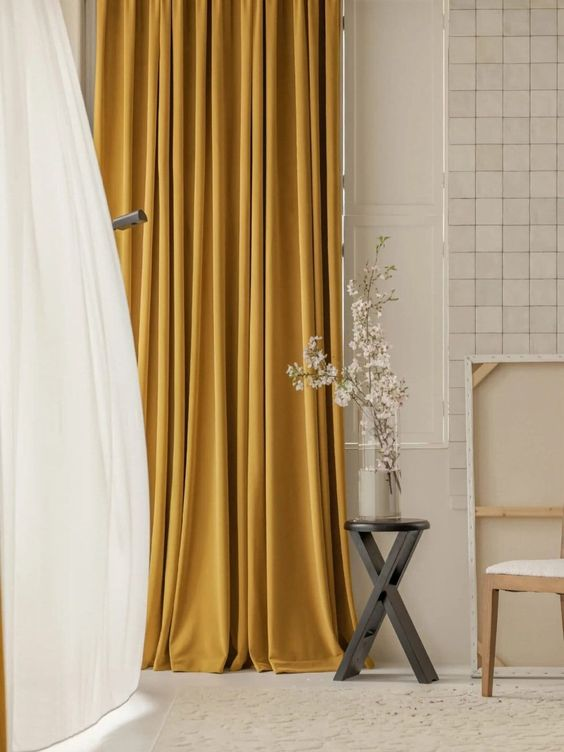
    As compared to normal yellow, Mustard yellow is a bit darker. When paired with white walls, Mustard yellow curtains improve the aesthetics of the room. They are designed to create a modern and bold contrast. Combining Mustard Yellow curtains with white walls creates a sense of neutrality and warmth. At the same time to keep the space airy and fresh, the presence of white walls is important. The combination of the two can create versatility in terms of minimalist, modern, eclectic, or bohemian interiors. Furthermore, it also helps in creating timeless appeal with the combination of sophisticated, cozy, and retro-modern hues. 

    1. Pink: 

    Similar to lavender, sheer curtains in blush pink color add femininity against the white walls. For any space, pink color adds energy and warmth to any space. For a welcoming and sweet look use pastel pink curtains. On the other hand, for making an electrifying statement use bold hot pink color. The color is ideally suited for eclectic living spaces, girls’ rooms, and bedrooms.

    1. Teal:

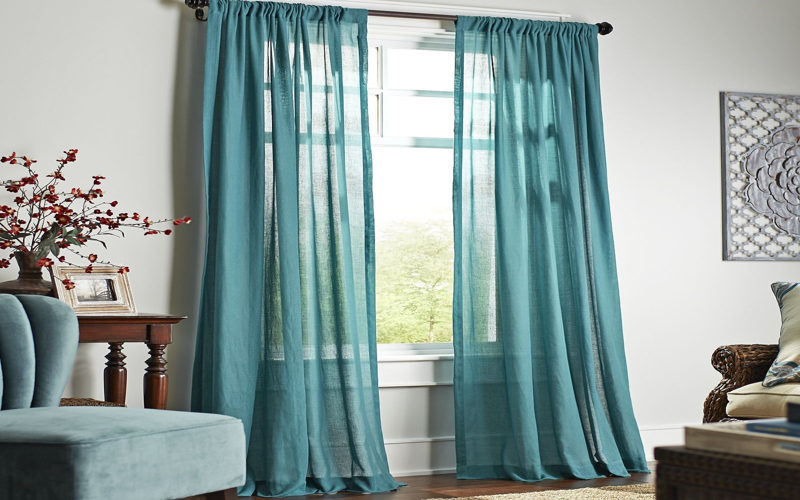
    For a good and vibrant appeal, teal-colored curtains with white walls are a perfect combo. These appear catching and very attractive to the eyes of the people. The combination of teal curtains with white walls looks sophisticated, bold, serene, and striking. This style is ideally suited for glam, coastal, bohemian, or modern interiors.

    1. Red:

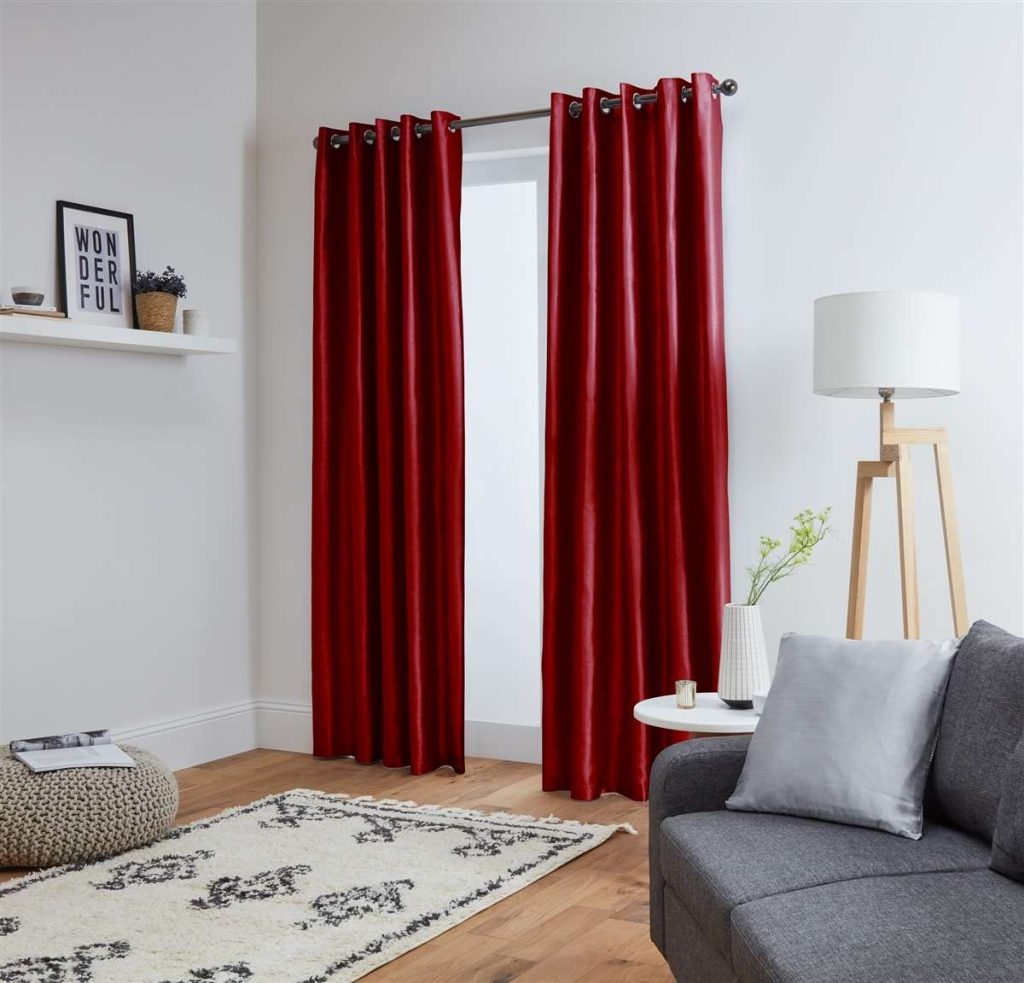
    For a dramatic statement on white walls, red color seems to be a perfect choice. The color is ideal to stir visual excitement and vibrancy. For contemporary spaces use bright reds like crimson words. On the other hand, in elegant and formal spaces softer reds create a burgundy feel. By pairing white walls and red curtains together, you can create a contrast between the bold and dynamic. This combination signifies sophistication, passion, and energy. Hence minimalist, modern, as well as traditional spaces pair this combination effectively.

    1. Coral:

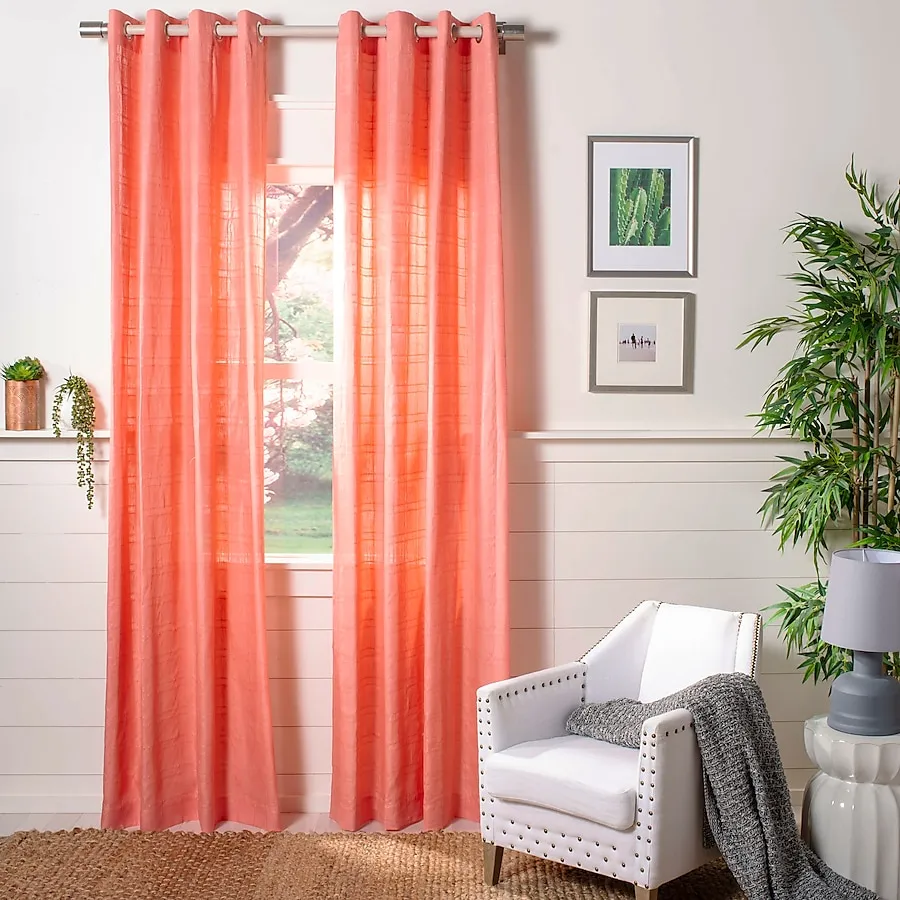
    With white walls, the coral color balances the look and appears vibrant. This combination gives a touch of modern or coastal charm, creating an inviting, fresh, and lively atmosphere. This style creates a diversity of styles from tropical-inspired to bohemian and Scandinavian interiors.

    1. Orange:

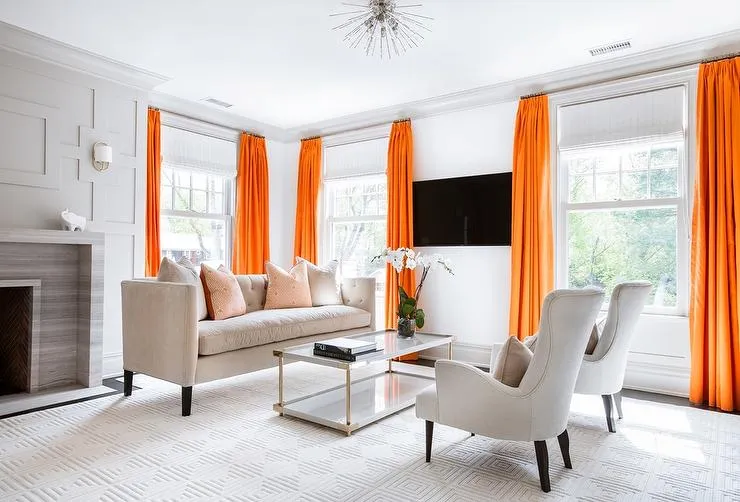
    Another combination that works wonders is orange curtains with white walls. Orange-colored curtains on white fall give an upbeat and cheerful feel. For visual and cozy warmth choose peach and burnt orange shade curtains. On the other hand, tangerine and bright orange pop on the white walls. Breezy sheer orange provides a summery look to the room. When implemented in children’s rooms, kitchens, dens, and offices, orange injects personality and color.

    1. Gold:

    To add a luxury appearance to the white walls, use shimmering gold. To glam up any space with a subtle approach, metallic gold curtains lead the way. For an elegant outlook combine white walls with sheer gold curtains. 

    1. Taupe:

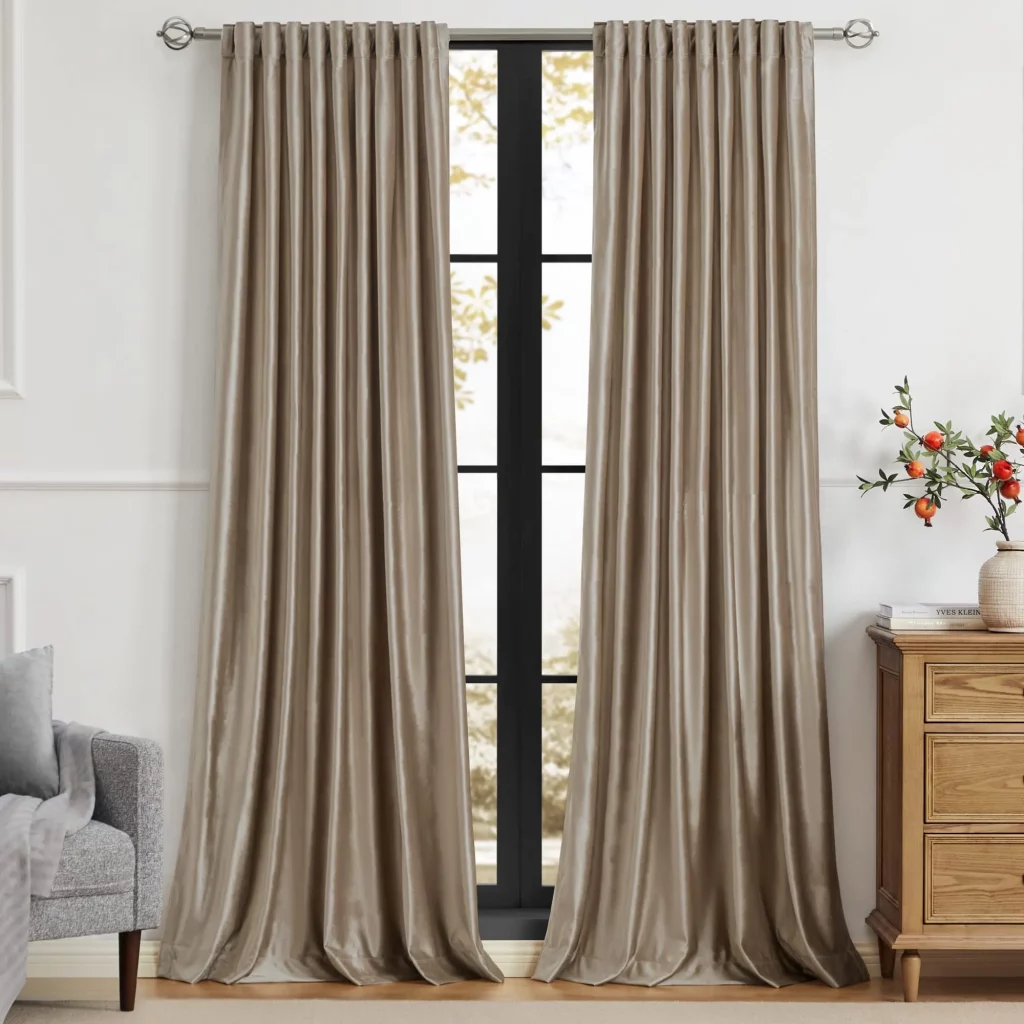
    With white walls, taupe-colored curtains give an earthy feel. It is ideal for a subtle and sophisticated appearance. This gray-brown and muted hue is ideal for creating an elegant and refined atmosphere. For contemporary and modern interiors, taupe is a popular choice. It gives an understated luxury and a sense of sophistication. It has a stylish and sleek outlook, making it suitable. 

    1. Terracotta:

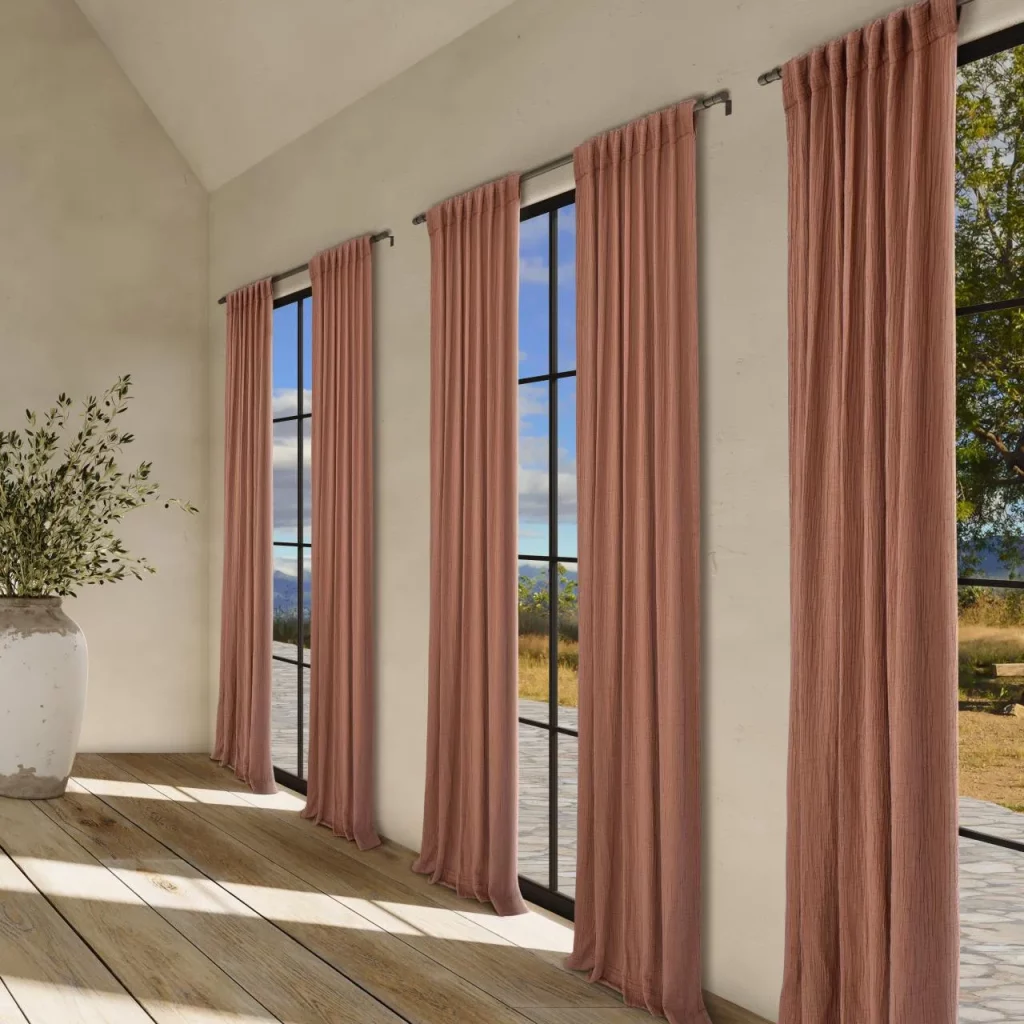
    Terracotta curtains with white walls create an earthy and warm effect. This reddish-brown and rich color is natural clay inspired. Hence, it is an ideal choice for creating an organic and grounded feel. Also, the color is ideal for carrying out eclectic interiors or bohemian vibes. It pairs in an awesome way with natural materials, earthy tones, and textured fabrics. Thus, the space seems to give a boho-chic vibe by including natural materials.

    1. Royal Blue:

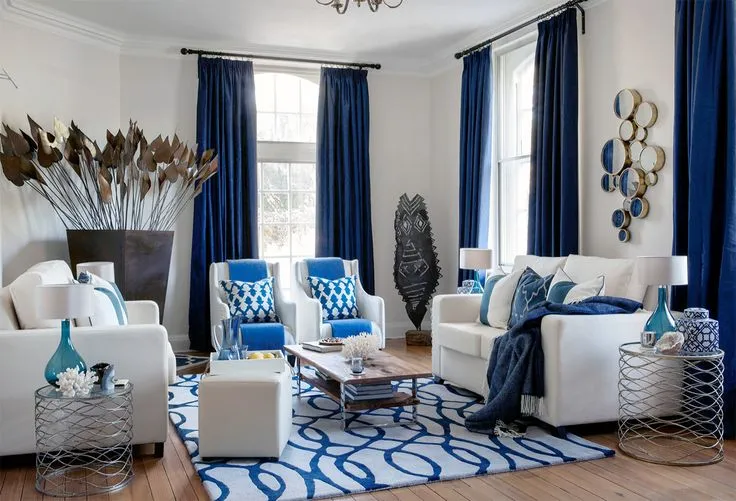
    For an instant glamorous appearance, royal blue is an ideal choice. With an elegant and luxurious outlook, the deep blue sparkle works well. For the master bedroom and dining rooms use royal blue in color. For living rooms, the royal blue color creates a peaceful retreat. You can play well with the textures like satin or velvet.

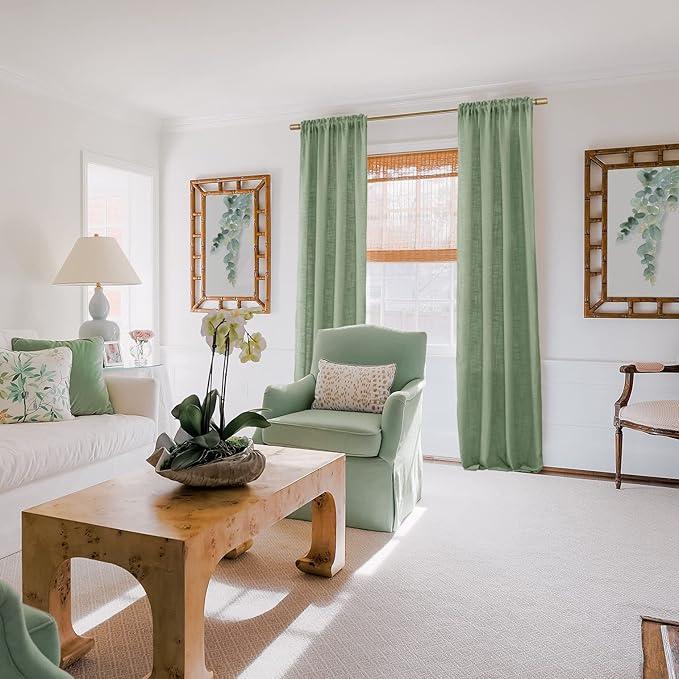
    1. Sage Green:

    With white walls, earthy sage green curtains complement nicely. For zen and relaxing is the refreshing green with gray undertones. Use offices, living rooms, and dining rooms with the use of sheer sage curtains. Sage green curtains promote a simplistic lifestyle without getting too bold with a spa-like bedroom feel.

    Conclusion

    Curtains play a crucial role in every room of the house. These are used for changing the design and overall appearance of the space. The above-mentioned colors are ideal for brightening up the space and giving it an appealing appearance. 

  • How Roller Blinds Work: A Simple Guide to Operation

    How Roller Blinds Work: A Simple Guide to Operation

    Do you know how roller blinds work? Window treatments are crucial in improving any space’s overall look and functionality. Window roller blinds, also known as roller shades, are most popular because of their easy use and versatile approach. This blog aims to explore the mechanics of how blinds work, including several aspects related to their functionality and components. 

    What Are Roller Blinds:

    As mentioned above, out of all the window blinds, window roller blinds are acknowledged as among the most popular ones. For centuries, roller blinds have been a humble yet essential item for several households. The question that every person who is unfamiliar with its function wants to know how roller blinds work. Roller blinds are the coverings for windows composed of easily bendable fabric. This is how to take a roller blind down and up according to the situation. A roller blind mechanism features a spring-loaded system or chain pulley system. This is essential since it allows the action to be performed. The common function of how blinds work is to provide insulation, control light invasion, and protect privacy. However, the thing that gains our attention is the way it works, according to the roller blind mechanism. 

    Roller Blinds and Window Types

    There are several types of windows in which you can find roller blinds installed. A roller blind mechanism features an L-shaped, standard, bay, or half-bay window frame. As compared to standard windows, Bay windows can be very tricky. Therefore, if you want to know how roller blinds work, the first thing you should look forward to is the measuring guide for your room size. 

    Key Components of Roller Blinds

    To find out how roller blinds work, you have to focus on the core components mentioned below. Before buying roller blinds, first consider discovering how the roller blind mechanism works. Some of these components are as follows: 

    1. Fabric: 

    The first thing you need to know about how roller blinds work is the fabric. These range from synthetic blends to polyester, cotton, or linen.

    1. Roller Tube: 

    A roller tube is also known as a roller blind mechanism or simply a roller. As a cylindrical tube, it wraps the fabric around it while rolling the blinds. 

    1. Bottom Bar: 

    The bottom bar of window roller blinds is a horizontal bar situated at the blind’s bottom helping to keep it taut when extended and weighing it down. 

    1. Operating Mechanism: 

    The operating roller blind mechanism lowers and raises the roller blind. It is a motorized automated operation, dealing with a spring-loaded system, a chain pulley, or a cord loop.

    1. Brackets: 

    Brackets in window roller blinds are components of the hardware attaching the roller blind to the wall or the window frame.

    1. End Caps: 

    End caps cover the end of the roller tube, designed to protect the internal mechanism and provide a finished look.

    Installation of Roller Blinds:

    To ensure that blinds work properly, installing roller blinds is the key thing. It focuses on getting all measurements right. The ceiling or window frame screws the mounting brackets that will hold window roller blinds firmly. 

    How Do Roller Blinds Roll Up?

    When you pull the cordless wand, control chain, or cord. A spring-loaded mechanism gets activated internally in the roller tube. As a result, this is how blinds work beginning to rotate steadily on its axis. The roller fabric of window roller blinds attached to the tube winds around evenly and rolls in an upward direction. To keep the fabric material around the tube, the role of friction is the key. When retracted completely, the neatly stored fabric gets wrapped around inside the tube. 

    Unrolling Roller Blinds

    Releasing the control chord/chain, will halt the rotation of the roller tube and disengage the spring mechanism. The roller blind tube will stop rotating and turning. If you are wondering how to take a roller blind down, then gravity is your best friend. As a result of this blind fabric unrolls in a controlled manner from the tube. As a screen over the window, the is at full-length extension. Partial blind lowering is because of optional stopping points.

    Benefits of Using Roller Shades

    Roller shades are a functional and versatile option for window shades and blinds. Some of the advantages regarding how blinds work are as follows: 

    1. Light Control: 

    There are many types of light control options ranging from sheer fabrics to blackout ruler shades for entire darkness. 

    1. Energy Efficiency: 

    These shades assist in cutting down energy costs and lessen heat loss or gain by insulating windows and blocking light.

    1. UV Protection: 

    UV protection can protect interior furnishings and block harmful UV rays with specific fabrics. 

    1. Versatility: 

    The versatility of several kinds of windows include patio, sliding, and French doors. These are available to match any interior design in several colors, fabrics, and patterns.

    1. Ease of Use: 

    Several options, such as motorized, corded, and cordless roller shades, offer ease of use. Whether constructed with simple or low-maintenance materials, these shades are functionally operational and seamlessly fit. 

    Types of Roller Shades 

    1. The Traditional Roller Shades 

    Roller shades/blinds have a history that began in Europe in the 18th Century. At first, they were functional and simple, window coverings, operated by a simple pully system. They were composed of paper or cloth. With the Industrial Revolution’s advent in the 19th century, the evolution of roller blinds took place in mechanism and material. For easier operation, these incorporated spring-loaded rollers. Due to their affordably and practicality, these became popular throughout the world. By the 20th century, there were a variety of materials that resulted in more durable materials. These included solar-blocking and vinyl layers. The mode of operation for traditional roller blinds is very effective and simple. They comprise a rolling mechanism and fabric sheet attached, mounted at the top. 

    1. Smart Glide Roller Blinds 

    To cover the windows with roller blinds, smart glide Roller blinds are another option. These are both user-friendly and more advanced window coverings. Compared to traditional roller blinds that depend upon chains or cords, Smart glide blinds operate via a cordless system. Thus, people use it in their homes as they provide safety to pets, children, and other members of the family. 

    1. Smart Release Roller Blinds

    Just like the Smart Glide, the Smart Release roller blind also possesses similar features. However, the key difference between the two is that smart release also includes the cord. By gently tugging you can activate blinds in the chain’s opposite direction. Once done the blind gently rolls down on its own automatically. By slightly tugging on the chain’s opposite end, you can stop the smart release. You can still afford the option of added control of the cord while utilizing modern mechanics with convenience. The roller blind has also gone through an evolution in appearance making it look modern and beyond nifty. 

    1. Block-out Roller Blinds 

    The design of block-out roller blinds blocks the entire external light of the room, turning the space into entire darkness. They are composed of opaque and dense fabric that blocks light from penetrating. Hence, it is perfect for usage in spaces like home theatres and bedrooms along with many other rooms and spaces. Furthermore, these also contribute to energy efficiency and offer privacy through insulation. This way they allow rooms to become cooler in summer and warmer during winter. Whether motorized or manual, the roller blinds operate on a simple mechanism of rolling. When these are not in use, they maintain an uncluttered and clean look. 

    Sunscreen Roller Blinds 

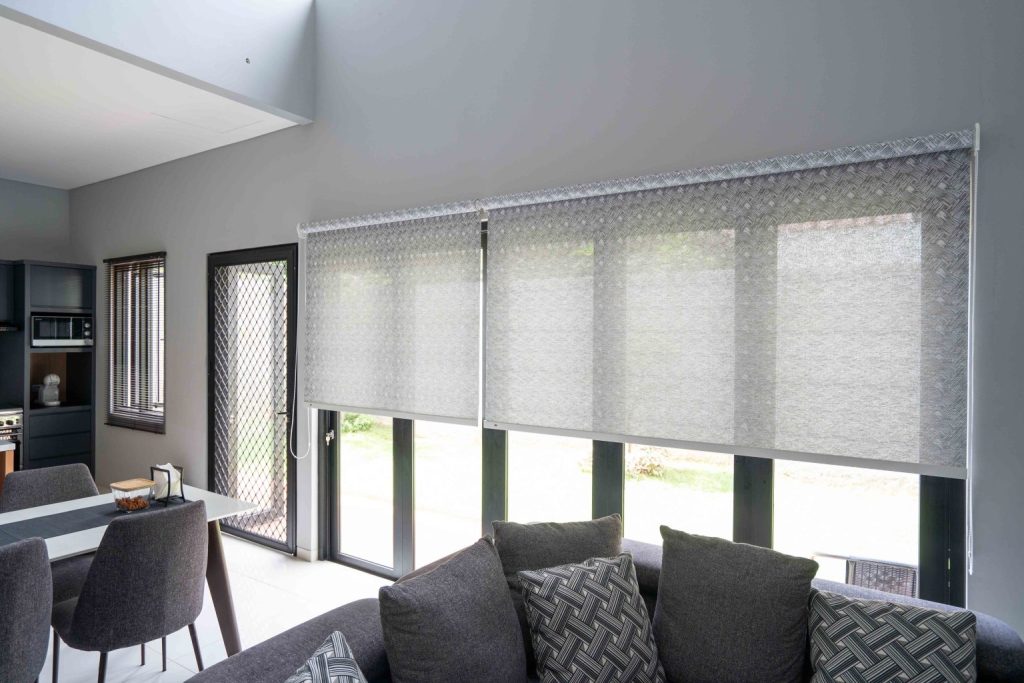
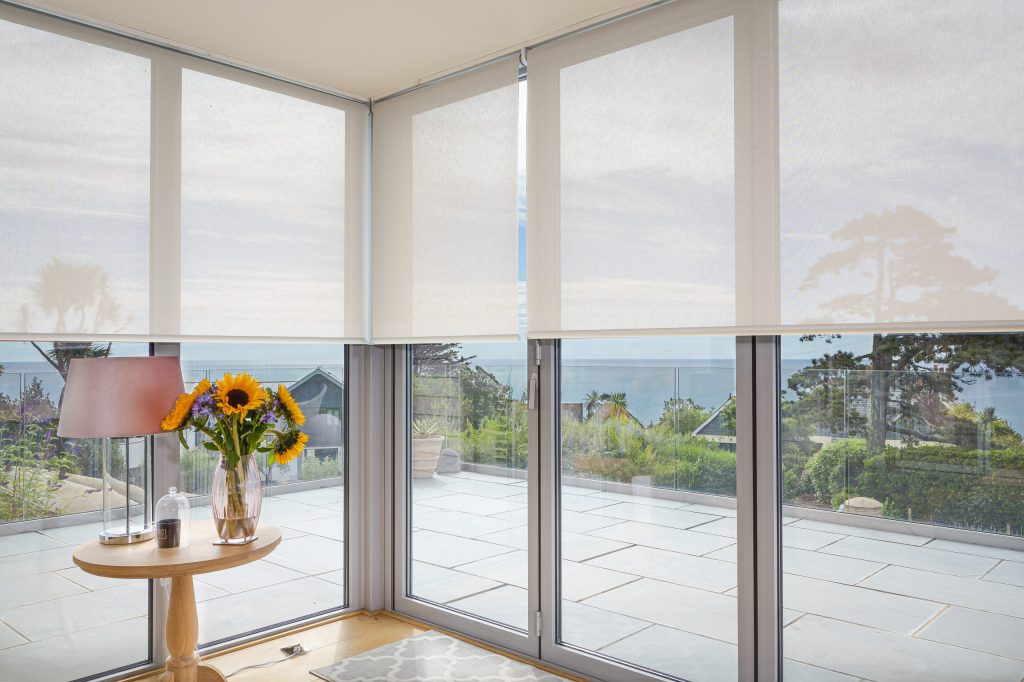
    The design of a sunscreen roller blind is to provide a balance between sunlight protection and visibility. These are composed of a semi-transparent fabric diffusing and filtering natural light. Such blinds block harmful UV rays and reduce glare. Hence, interior furnishings are protected from fading and sun damage. While they provide daytime privacy, they also allow for an outside view. For areas where you need natural light, it is ideal to use sunscreen blinds. These are best since they do not direct harsh sunlight. These areas include home offices, living rooms, and the kitchen.

    The sunscreen blind uses a fabric composed typically of open weave. These offer energy efficiency and heat reduction, keeping the temperature of the rooms cooler. You can find them in several colors and with several weave densities. Regardless of the types of interior styles, these can diversely complement. You can pair them with other window treatments since they are easy to clean and durable. This way these blinds can get added design and functionality. 

    Day Night Roller Blinds 

    Are you looking for a two-in-one connection? Day Night Roller blinds provide optimal convenience by combining sunscreen and block-out roller blinds. However, they perform independently when installed in one bracket. Hence, whether office space or a living room, the Day Night Roller blind is ideal for rooms and allows you full control over lighting. 

    Roller Blinds vs. Other Blinds Light Management 

    As previously indicated, the fabric behind your chosen fabric impacts the blackout functionality of roller blinds. If you want to completely leave the light out, then it is ideal to choose roller blinds. As compared to wooden Venetians, these perform the same function in a far better way. For instance, ensure that the description also indicates that the fabric you choose includes the term blackout. 

    Are Roller Blinds right for me?

    One of the most convenient and easy ways to add color to your room and block light is to use roller blinds. It is very easy to operate and install them and the process of closing and opening is very easy with the help of a simple chain mechanism. However, while using roller blinds in your pets or children’s room ensure you carry a child safety device that is included within. 

    Conclusion

    Upon understanding the functions and benefits of roller shades, you may be looking forward to upgrading your interior. These shades include several features that you may not find in other kinds of window treatments. By combining sheer and linen textures or using total blackout and light filtration materials, you can add perfection to your homes. 

  • At What Height Should a Shower Curtain be Installed?

    At What Height Should a Shower Curtain be Installed?

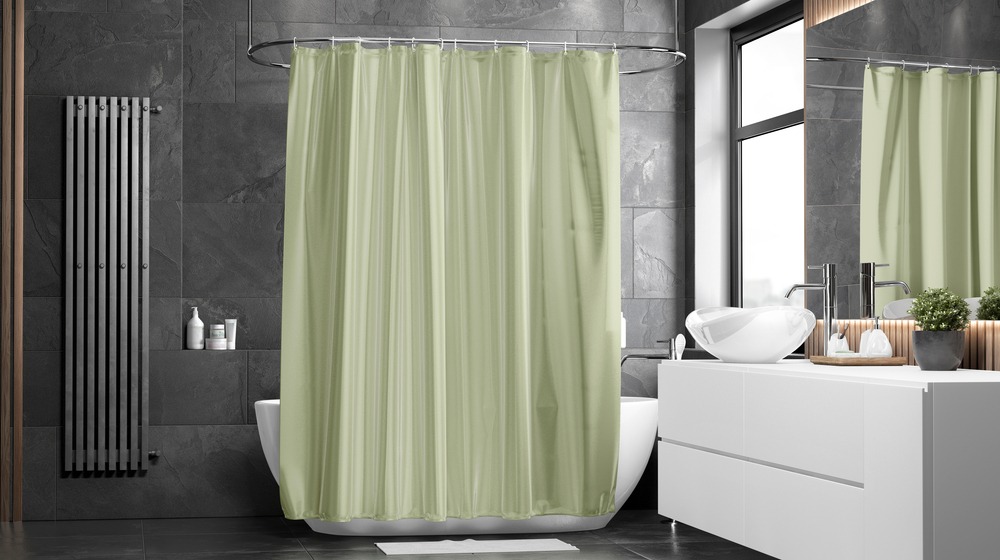
    You need to install a shower curtain according to its length. Compare it with shower height and install its rod between 75 to 77 inches from the floor. A standard shower curtain size is typically 72 inches long. When you install curtains between 75 and 77 inches, you don’t get your bathroom floor wet nor make your bathroom look gross as the curtains bottom won’t touch the floor.

    But it’s important to place the rod correctly to avoid accidents, especially if you have children or pets at home. For that purpose you must first measure the standard shower curtain size and your bathroom walls properly. The latter process becomes easier when you have the measurements beforehand. With that said, let’s get into the step-by-step process of standard shower curtain size installation in your bathroom.

    Step 1: Hang the Rod 6-10 Inches Below

    Standard shower curtain size

    Standard shower curtain size is usually 70 to 72 inches long. Before drilling or securing the curtain rod, make sure to double-check your measurements. The shower curtain rod height should be 6 to 10 inches below the ceiling to ensure good airflow. 

    Poor quality can lead to moisture and mold growth over time. Keeping good airflow helps prevent mold and mildew. If your bathroom has ventilation directly above the shower, you can hang the curtain rod higher.

    Step 2: Create a 1-Inch Gap Between Rod and Curtain Top

    Gap Between Rod and Curtain Top

    Hooks or rings create a small space between the rod and the top of the curtain. This space can be about 1 to 2 inches, depending on the design. Make sure to include this space in your measurements. For example, if your curtain is 72 inches long and the ring adds 1 inch, use this formula for rod placement: 

    Shower Curtain Rod Height = Curtain Length + Ring Space + Desired Overlap 

    Avoid using crooked rods, as they can impact both the look and function of your curtains. You can hem the curtain or use fabric extensions to get the right length. If you’re tall, hang the rod high enough to avoid bumps. Add 2 to 3 inches to the standard rod height. If your curtain is 72 inches long, place the rod about 75 to 77 inches above the floor.

    Step 3: Stop Water Leakage by an Overlap of 1-Inch

    To prevent water leaks, the liner should overlap the tub lip by at least 1 inch for showers and 3 inches for tubs. This overlap helps keep water inside the bathing area. Leave a gap of 0.5 to 1 inch between the curtain’s bottom and the floor. This gap prevents the curtain from dragging and helps avoid dust or moisture buildup. 

    PEVA Liners are also affordable and mildew-resistant, ideal for preventing water leakage. If your curtain is 72 inches long, has a hook drop of 1 inch, a tube height of 14 inches, and an overlap of 3 inches, you can calculate the ideal rod height using this formula:
    Rod Height = Curtain Length + Hook Drop + Tub/Shower Height – Desired Overlap = Height

    Rod Height = 72 + 1 + 14 – 3 = 84 inches

    How to Make Sure Your Bathroom Looks Appealing With New Curtains?

    After measuring shower curtain length and installing them, these post-installing tips can help you elevate your bathroom’s aesthetic appeal.

    Hang the Rod Closer to the Ceiling

    This elongates the room and creates a spacious and luxurious feel. Use extended-length curtains for this effect. If the front of your tub or shower area is unattractive, hang the curtain lower to hide it. And to show off stylish tubs or detailed tile work, hang the curtain higher so these features can be seen. If the front of your tub or shower is unsightly, hang the rod lower to conceal these areas. Make sure the curtain still clears the floor to avoid dust accumulation.

    Use a Longer Liner to Reduce Splashes and Spills

    In homes with children, it’s important to have this overlap and containment, so that the kids remain safe when they take baths. The height of the tub’s edge or shower curb is important for keeping water inside. Measure the height from the floor outside the tub to the top of the tub. After that, measure from the tub floor to the top edge on the inside. These measurements help make sure the liner covers the tub edge properly to keep water contained. The curb often measures about 3 to 4 inches high. Make sure the liner extends at least 1 inch over the edge for showers and 3 inches for tubs.

    Final Words

    Now that you know the standard shower curtain size when installing shower curtains and also how to install them, here’s a quick recap. Save these takeaways so that the next time you install a shower curtain in your bathroom, you do it perfectly.

    • The average shower curtain size is 72-inch curtain typically calls for a rod height of 75 to 77 inches from the floor.
    • Hanging the curtain rod higher on the wall can make the small bathrooms with low ceilings seem larger. 
    • Double glide roller hooks hang both the curtain and liner separately, ensuring easy maintenance.
    • For wider showers, use two curtains or custom-sized options to get proper coverage.
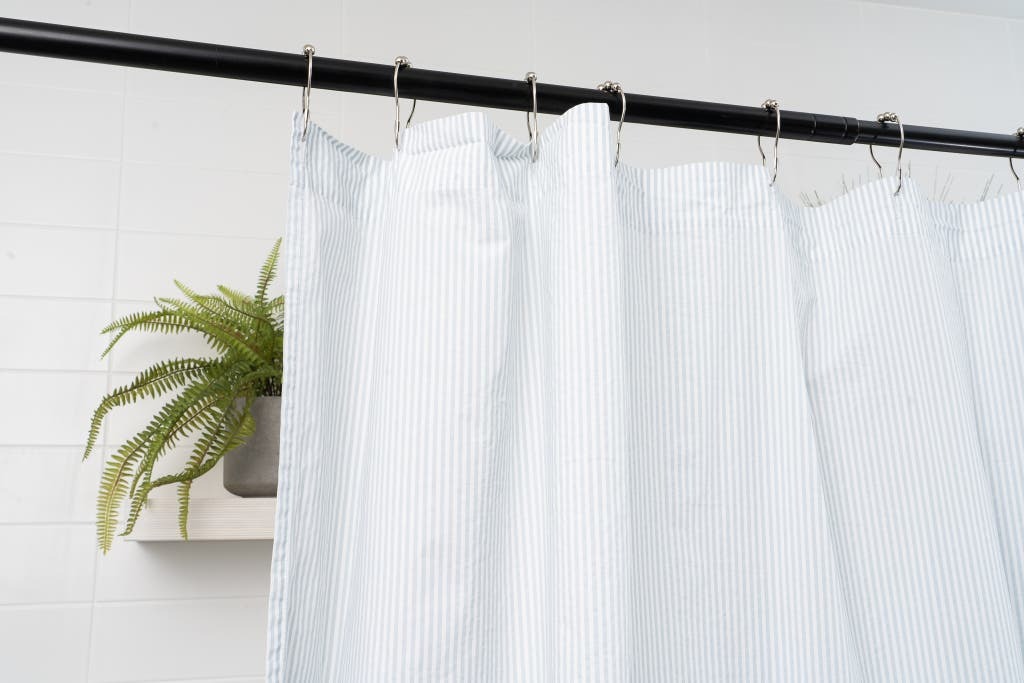
    Frequently Asked Questions


    What is the proper shower curtain height?

     The average curtain size is 72 inches wide and tall. Adjust the shower curtain height so it doesn’t touch the floor. This helps keep mold away. Make sure it is at least 72 inches above the floor.

    Should you hang a shower curtain higher?

    When you hang a shower curtain, make sure the bottom is 1 to 3 inches above the floor. This helps water drain and keeps the curtain clean.

    Where is the proper placement of a shower curtain rod?

    To hang your shower curtain, make the bottom hem about five inches below the top of your bathtub. Adjust the shower curtain length to this height, and mark the wall above the top of the curtain with a pencil. Repeat this measurement on the other side.

    How to install shower curtains properly while maintaining bathroom cleanliness?

    You need to do beforehand measurements of bathroom walls and your curtains. Hem your curtains or use fabric extensions to compensate for what’s missing. For cleanliness and aesthetics make sure the curtains don’t touch the floor or allow water splashes.

  • Inside vs Outside Mount Roman Shades: What, When & Why

    Inside vs Outside Mount Roman Shades: What, When & Why

    When shopping for custom Roman shades, everyone has to think whether they should mount them inside or outside the window frame. Inside mounted shades are perfect for those who want a clean and a custom fit look. Outside mounted shades offer more flexibility for shallow windows with unique shapes, and situations where you need extra coverage. This choice affects the look and functionality of your space. That’s why we will guide you in this blog and help you decide whether inside or outside mounting is the best choice for your space.
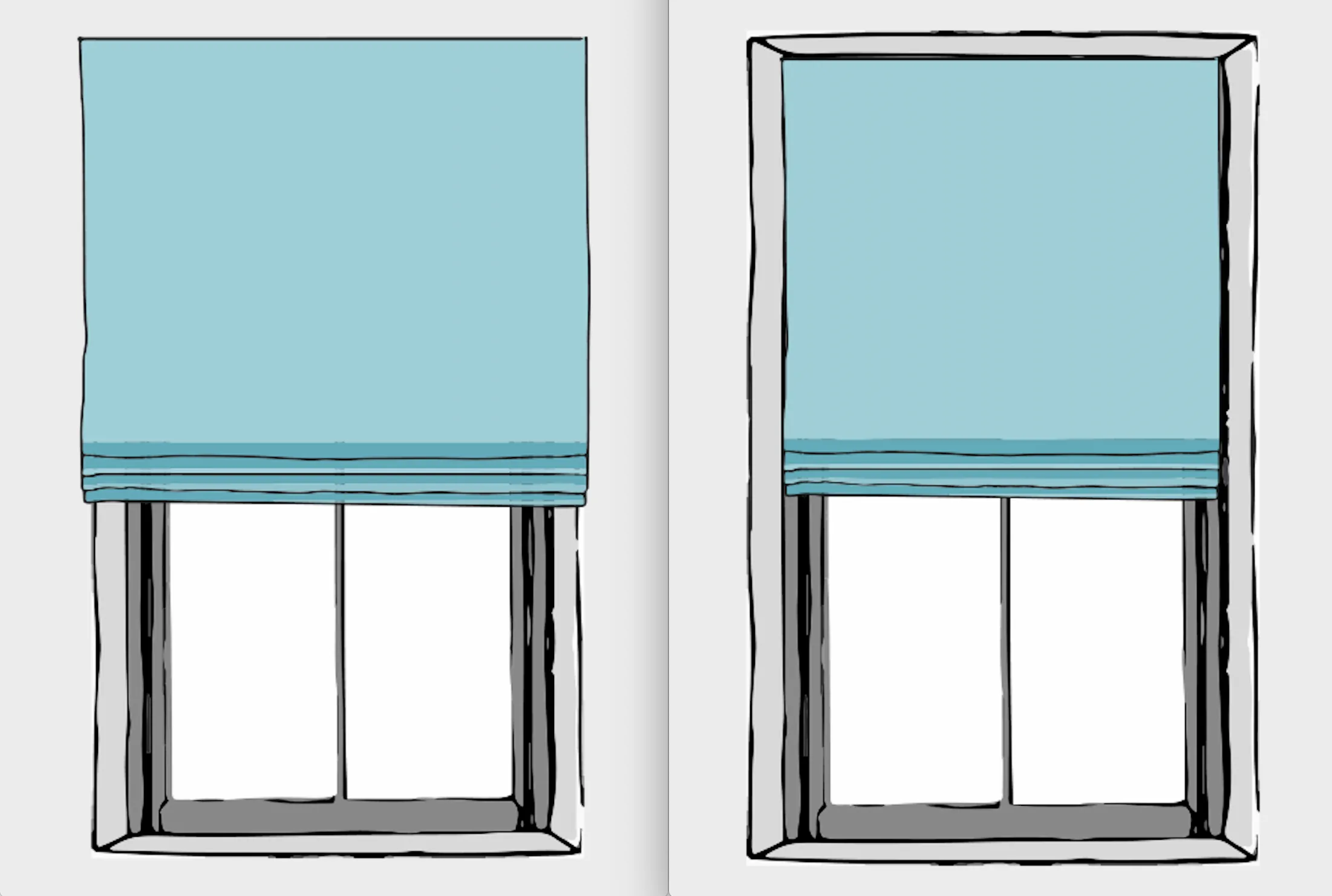
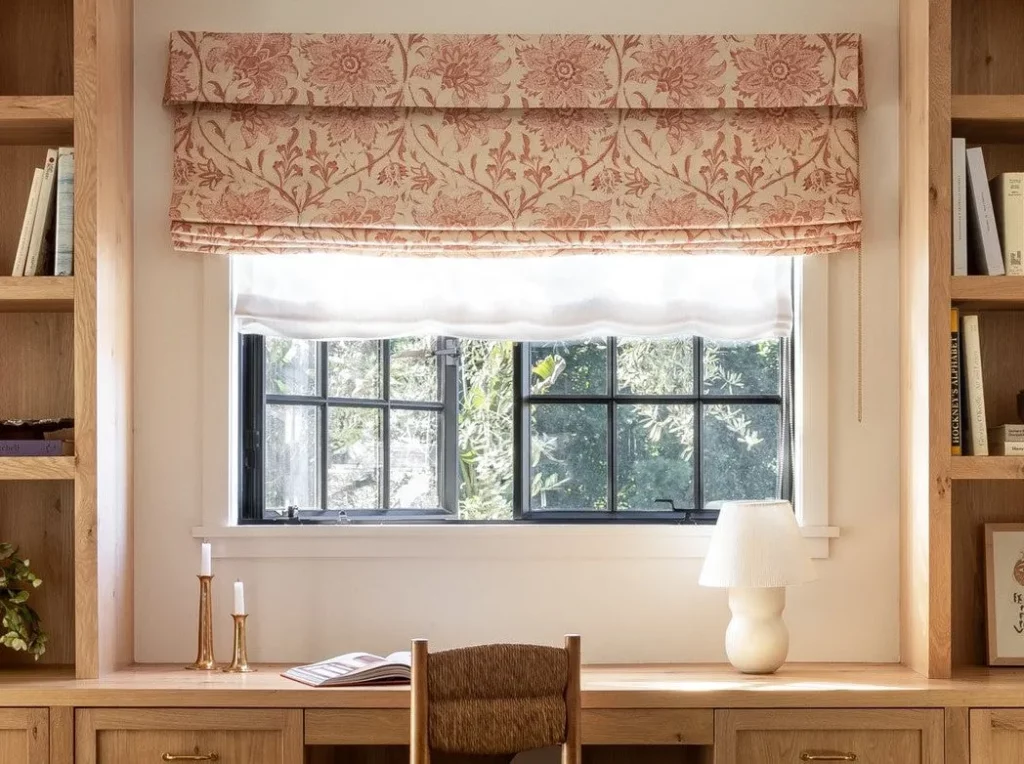
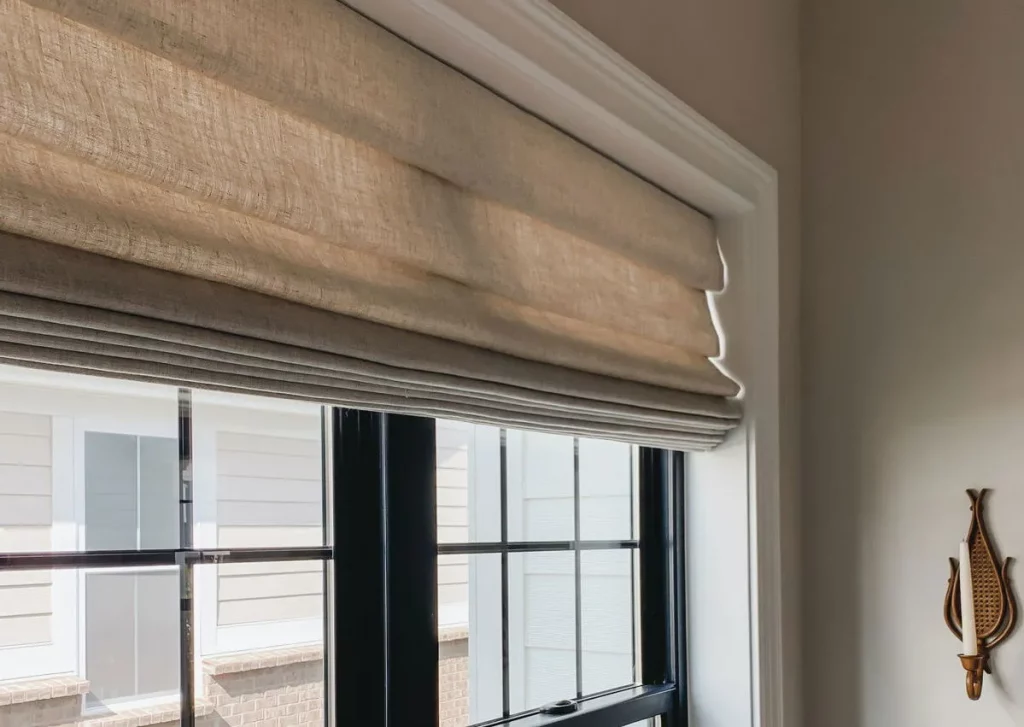
    Outside Mount Roman Shades

    Outside Mount Roman Shades

    Outside roman shades are installed on the wall or the ceiling that is above the window. This allows you to hang curtains with more flexibility.

    Inside Mount Roman Shades 

    Inside Mount Roman Shades 

    These shades are installed inside the window frame. The top of the shade attaches to the ceiling of the frame. They fit neatly within the window’s recess.

    Why Choose Outside Mount Roman Shades?

    Below are the reasons you should choose outside mount roman shades along with examples.

    Ideal for Shallow Window Frames

    Not all windows have deep enough frames to accommodate inside mount shades. For windows with shallow or narrow frames, outside mount shades are an excellent alternative, as they can be mounted directly onto the wall or ceiling.

    Extra Coverage and Less Light Inflow

    If you need more control over light in a room, outside mounted shades offer additional coverage. When extended slightly beyond the window frame, they block more light, making them a great option for rooms like bedrooms, nurseries, or patios, where you want to minimize outside light.

    Maximized Window Exposure

    With outside mount shades, you have the option to mount the shade above the window frame, allowing the shade to stack above the window when fully raised. This allows you to enjoy the full height of the window, letting in more natural light and providing a clear view of the outdoors. This makes them ideal for east-facing windows where you can take advantage of the morning sunlight.

    Easier to Measure

    Inside mount shades require precise measurements for a perfect fit, which can be tricky if you’re not comfortable with measuring tools. Outside mount shades are more forgiving—slightly overshooting or undershooting the measurements is less likely to be noticeable, making the process easier.

    Visual Illusion of Larger Windows 

    For small windows, outside mount shades can help create the illusion of a larger space. By extending the shades a few inches beyond the window frame, you can make the window appear wider. Similarly, mounting the shades higher above the window creates a sense of increased ceiling height.

    Perfect for Imperfect Window Frames 

    If your window frames are uneven, cracked, or have other imperfections, inside mounted shades can highlight those flaws. Outside mount shades are a great way to cover up these imperfections, providing a more polished look.

    Ideal for Unconventional Window Shapes 

    If your windows are unique in shape such as circle, arched, triangular or something like that, choose outside Roman shades. You can mount them above the frame of the window and use them whenever you want.

    Spacer Blocks for Added Flexibility

    Outside mounted shades offer the option to use spacer blocks or extension brackets to move the shades further away from the wall. This can be helpful if your window has protruding hardware, like cranks, that might interfere with the operation of the shades.

    Covering Doors

    If you need to cover a door with a shade, such as a glass door, inside mounts might not work well, as they require a deeper frame. Outside mounts provide an easier way to cover doors, especially metal doors, without the need to drill into the door frame.

    Layering with Solar Shades

    Solar shades are excellent for blocking harmful UV rays but don’t offer much privacy at night. By mounting your roman shades outside the window frame, you can layer them with solar shades inside, offering the best of both worlds—protection from the sun and privacy when needed.

    Best For:

    • Homes with unattractive window trim you want to hide.
    • Small windows that you want to make look bigger.
    • Low ceilings that you want to make appear higher.
    • Rooms where total light blockage is necessary.

    Disadvantages of Outside Mount Roman Shades

    Below are some of the pitfalls of installing roman shades outside.

    Room Space Limitations

    Outside mount shades protrude beyond the window frame, which could be an issue if your room is small or cramped. If space is limited, this extra projection could feel intrusive.

    Hiding Decorative Window Trims

    If you have intricate or decorative window trims that you want to show off, outside mount shades may obscure these features. In this case, inside mount shades would be a better option since they won’t cover up the trim.

    Visile Hardware

    Everything is visible from the rod to the dents the wall got when you tried to fix the shades yourself. Even if you hire some professional service to do the work, the hardware of the rod is still visible, which disturbs the appearance of windows if you want  a more minimalist look.

    Why Choose Inside Mount Roman Shades?

    Below are the reasons you should choose inside mount roman shades along with examples.

    Minimalist Look

    Inside Roman shades give your window a minimalist design. It’s because they stay within the window frame. They provide a sleek and modern look that complements other minimalistic decoration or furniture.

    Highlighting Window Trim

    Inside mount shades allow your window trim and moldings to take center stage. Since the shades fit inside the frame, they won’t obscure any intricate or ornate trim work, allowing the window’s architecture to shine.

    Hidden Hardware

    Inside mount shades have the advantage of hiding the hardware, creating a clean, unobtrusive look. Outside Roman shades don’t offer the polished look and minimalistic appearance that the inside mount offers.

    Layering with Curtains

    If you plan to layer your Roman shades with curtains, inside mounts are the best option. This allows the curtains to hang alongside the shades, adding texture and dimension to the room’s décor.

    Practical for Kitchens and Bathrooms

    Inside mount shades are a practical choice for kitchens and bathrooms. They stay out of the way of water splashes, and in kitchens, they are less likely to catch fire from cooking. You can use them in narrow hallways or smaller rooms where outside mounted shades might be too bulky.

    Better Insulation

    Because inside mount shades are positioned closer to the window, they provide better insulation. They help keep rooms cooler in summer by blocking heat from the sun, making them ideal for west-facing windows that receive intense afternoon sun.

    Best For:

    • Homes with beautiful trim you want to showcase.
    • Rooms with large windows where blocking some glass isn’t an issue.
    • High ceilings where you don’t mind raising the shade a bit.

    Disadvantages of Inside Mount Roman Shades

    Below are some of the pitfalls of installing roman shades outside.

    Small Window Frames

    If your window frame is too shallow (less than 3-4 inches deep), inside mount shades may not be possible. In such cases, outside mount shades are a better alternative.

    Irregularly Shaped Windows

    Inside mount shades work best on windows with straight edges. If you have arched, round, or triangular windows, inside mounts will not fit properly.

    Small Windows

    Inside mount shades can overwhelm small windows, making them look even smaller. The shades will not have enough space to stack properly, which may result in a clunky appearance.

    Obstructions Like Cranks or Handles

    Windows with protruding cranks, handles, or hardware may not work well with inside mount shades, as these elements can interfere with the smooth operation of the shades.

    Limited Light Control

    Since the shades stack inside the frame, they can block some light from entering the room. If you need more natural light, outside mount shades might be a better option.

    3 Factors to Consider When Choosing Between Inside and Outside Mount

    These are the most common and important things to consider when you choose between inside and outside mount roman curtains.

    1. Window Frame Depth: Inside mount Roman Shades require a window frame depth of at least 1 ¼ inches to be properly secured. If your window frame is shallower than that, you’ll need to go with an outside mount, as there are no depth requirements for outside mounting.
    1. Control Type: The control type (e.g., cordless or motorized) affects the installation needs. Some control systems may be too large for a window box, so an outside mount might be necessary.
    1. Aesthetic Preference: Inside mount Roman Shades show off your window’s trim, which works well if you have detailed trim you want to highlight. Outside mount Roman Shades cover the trim, which can create a cleaner look if your trim isn’t as appealing or if you want to make the window appear larger and the ceiling higher.

    Conclusion

    The choice between both depends on your room’s design.  Get inside mount shades for smaller rooms or if you want a sleek and minimalistic look. But if you want more light control or for some reason you have a small window frame, get outside mount shades. The bottomline is that your decision between both depends on your room’s architecture, the amount of light you need to block, and the look you’re going for. You can also contact Aura Curtains and we’ll help you pick the best ones for your one by inspecting your home’s design.

  • 9 Best Blinds for Small Windows | A Brief Guide

    9 Best Blinds for Small Windows | A Brief Guide

    Many small window blinds are both stylish and practical without taking up too much room. They create a more compact and stylish look and reduce visual clutter. To choose the best blinds for short windows, think about the type of blind, fabric and color options, window size, and natural light. Avoid heavy or bulky blinds, as they can make the space feel smaller. Your small window blinds should look nice, provide privacy, and let in natural light.

    So, if you’re moving into a new home or want to change your décor, try these best blinds for small windows as they are both attractive and functional. Because when space is limited, you don’t want blinds that overwhelm the window or make your room feel smaller. Below is a list from which you can choose the best blinds for small windows. 

    1. Roller Blinds

    Roller Blinds

    Roller blinds are compact, made from one piece of fabric, space-saving, and available in many colors and styles: cellular blinds, zebra blinds, mini blinds, and solar blinds. Cellulars keep the room warm and let in some light. Zebra blinds have stripes that can be see-through or solid. You can choose how much light comes in. Mini blinds are simple, modern, and cheap. Solar blinds help block bright sunlight and protect from UV rays.

    Roller Blinds have a simple look that fits well in small windows. They don’t take up much space when they are up. They leave space for your decorations when you raise them. They roll up and down easily. Each type of blind helps with things like light, privacy, and style. That’s why people like to use them in their homes and offices. You can choose roller blinds in different colors and materials to fit your room.

    2. Mini Blinds

    Mini blinds are made for small windows. They have thinner and shorter slats than regular Venetian blinds. This design helps to improve visibility and airflow while using less space. For instance, if your window is less than 36 inches wide, use smaller slats that are about 1/2 inch. For wider windows, use slats that are 1 inch. The smaller slats let you see out better and look less bulky.

    Mini blinds come in lots of colors like White, Gold, Ivory, Bone, and more. You can choose classic mini blinds with a matching valance in colors like Almond or Mocha for style and affordability. Their sizes are versatile and can fit in any small window. They look nice and keep the room bright, especially in colors. These best blinds for small windows don’t have big parts, so your windows look tidy. They are also strong and won’t bend or scratch easily.

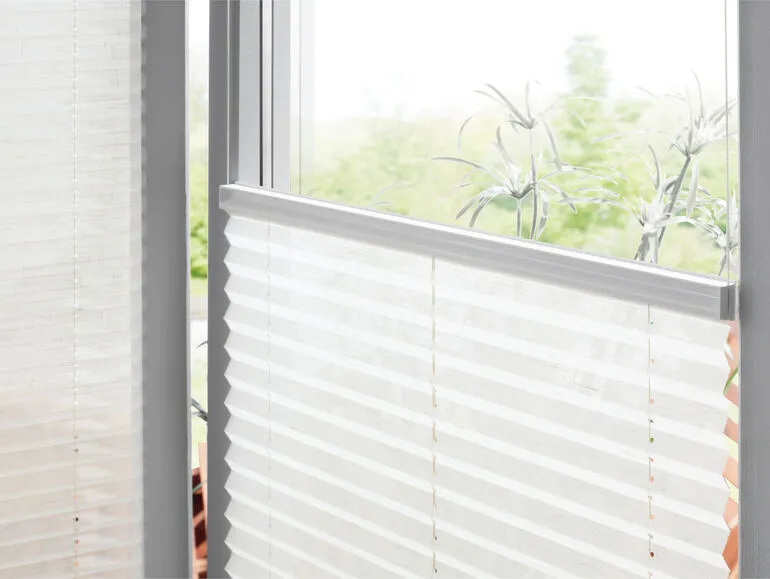
    3. Pleated Blinds

    Pleated Blinds

    These small blinds have two or three folds, providing a more opaque appearance and making them ideal for small spaces. They feature soft, accordion-style pleats that easily raise and lower. You can choose between single-cell and multi-cell options. Their inside or outside mounts work well especially for limited space on the window sill.

    You can choose light-diffusing fabrics like linen, lace, or polyester to filter light beautifully. If you want to darken the room, go for blackout fabrics. A streamlined fascia keeps the hardware out of sight. When they are closed, they block some light but let in a soft glow. If you want to make a room really dark, use blackout pleated blinds to keep out the sun and help keep the air in your home.

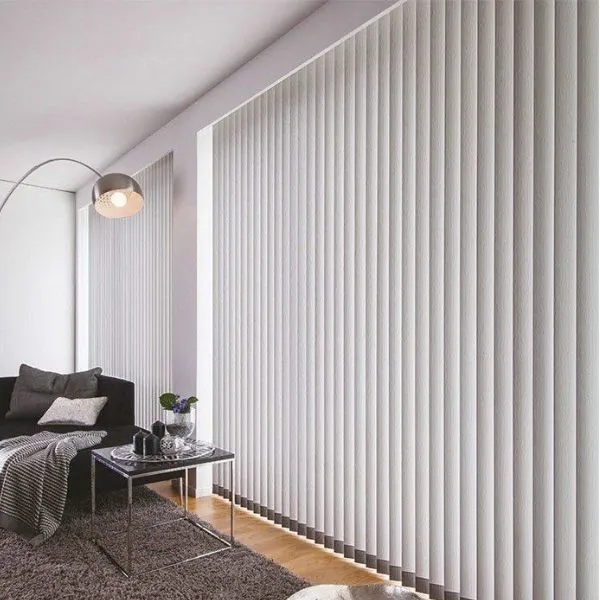
    4. Vertical Blinds

    Vertical Blinds

    Vertical blinds are a good choice for tall, skinny and small windows. They look modern and create the appearance of more height. Their widths of 2 1⁄2 to 3 1⁄2 inches fit most windows. For curved windows, use special tracks and bent vanes. You can also attach them to the wall or ceiling for flush windows. 

    They can be closed completely to control light and reduce glare. They have long strips that you can move to let in more or less light. Using vertical blinds can help make a small room feel bigger. They have long pieces of fabric that hang down from a bar. You can slide them open and closed from the sides without needing extra space.

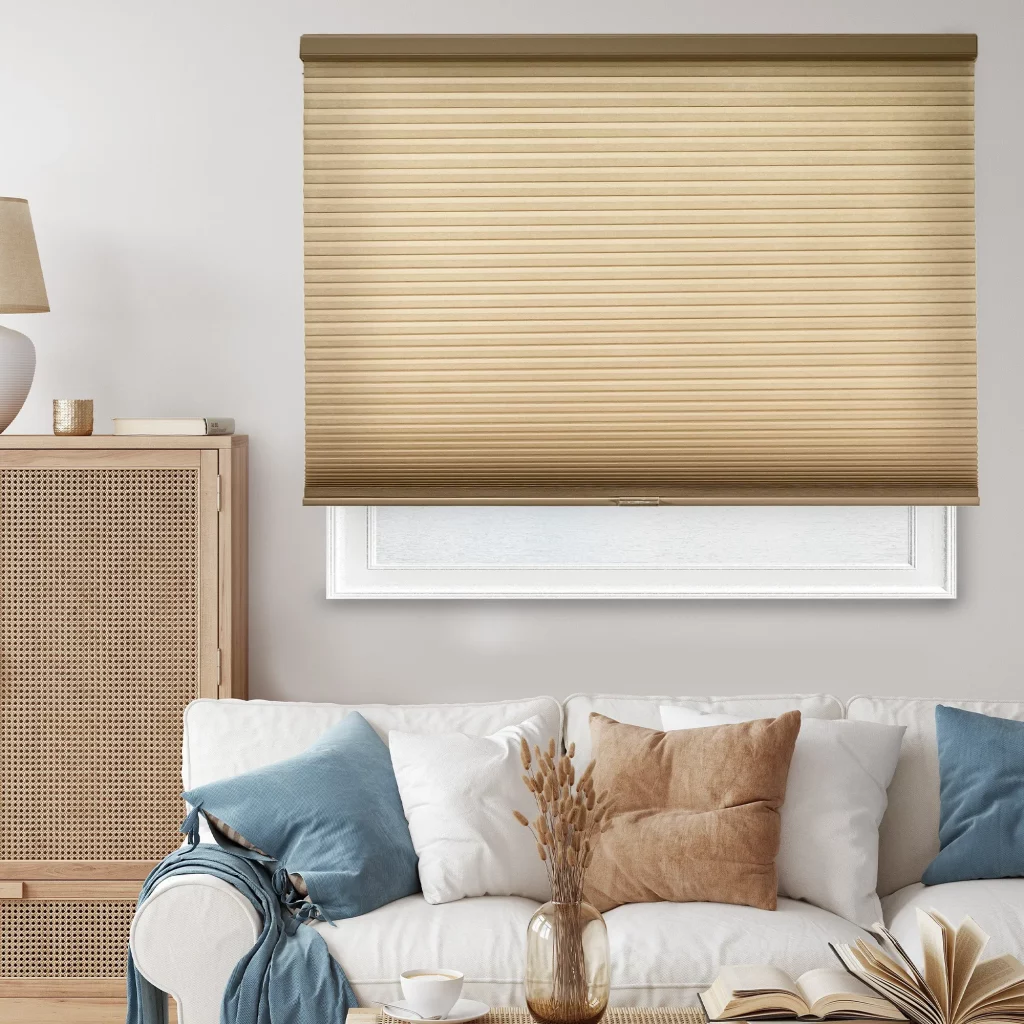
    5. Cellular Blinds

    Light filtering cellular blinds are great for small windows. They are also great for keeping warm homes insulated and reducing glare. They make the room look less messy. When decorating a small room, use cordless cellular blinds. 

    They come in different sizes and colors. You can use them to make any room in your house, condo, or apartment look nice.  Choose light colors like white or ivory to make the space feel bigger. Single cell shades help you maintain privacy while letting in natural light. They provide the right amount of sunlight for your room.

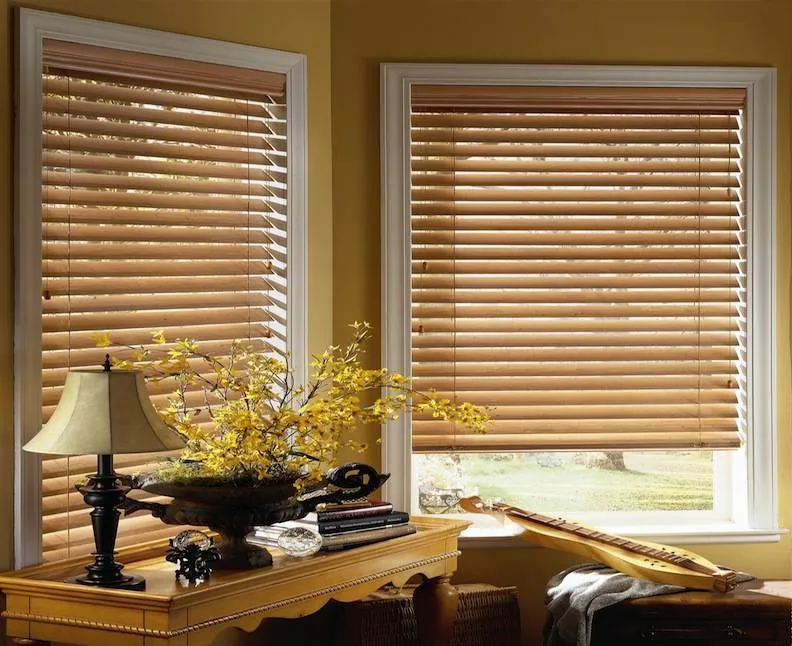
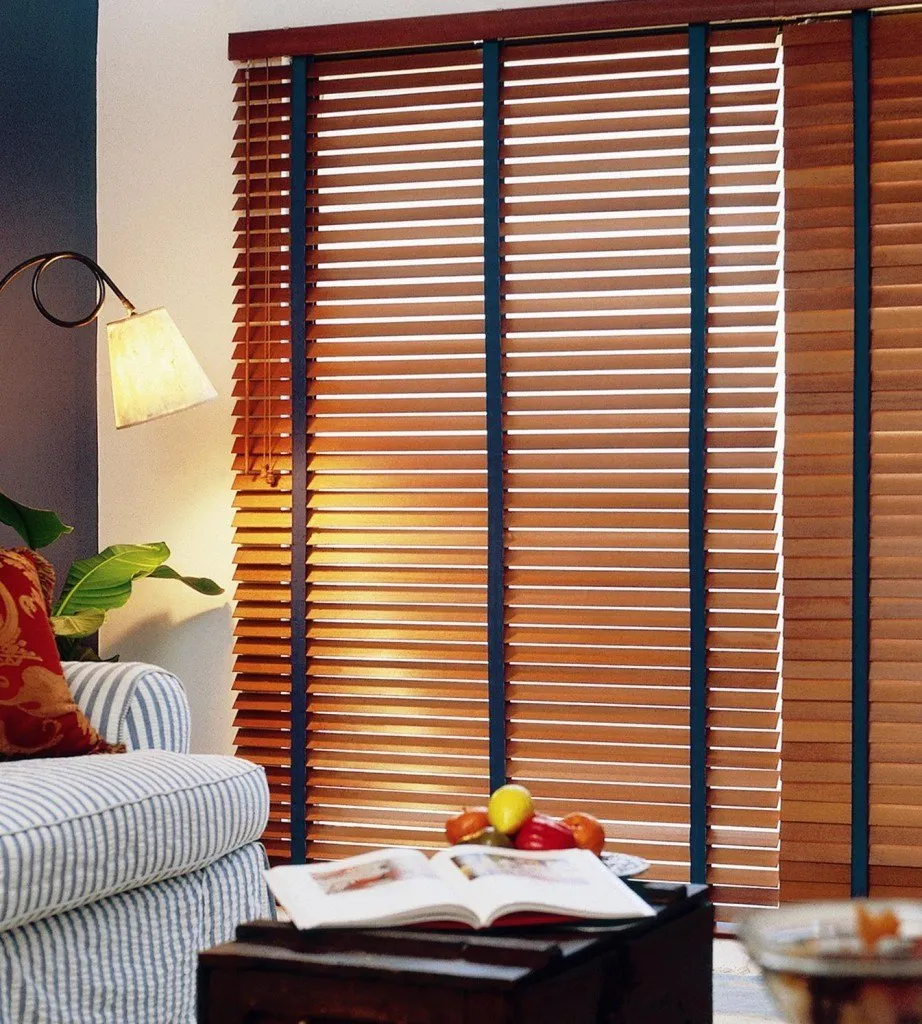
    6. Faux Wood Blinds

    Faux Wood Blinds

    These blinds look great on small windows. In a small living room window, real wood blinds also look nice. Choose small blinds with slats about one inch wide for tight spaces. Raised slats help bring in more light. You can also use matching fabric or metal parts for a nice look. Wooden blinds are light in color and make the room feel bright. Wooden blinds look nice on bedroom windows.  For your kitchen, use fake wood blinds because they can handle water. 

    Most faux wood blinds have vinyl slats that look like real wood and come in colors like oak, cherry, or whitewashed driftwood. You can tilt the slats to let in more or less light. They come with different tapes that can match or contrast for a cool look. Light colors can make a small room feel bigger. This way, wood window blinds bring warmth and style to small windows at a low cost. 

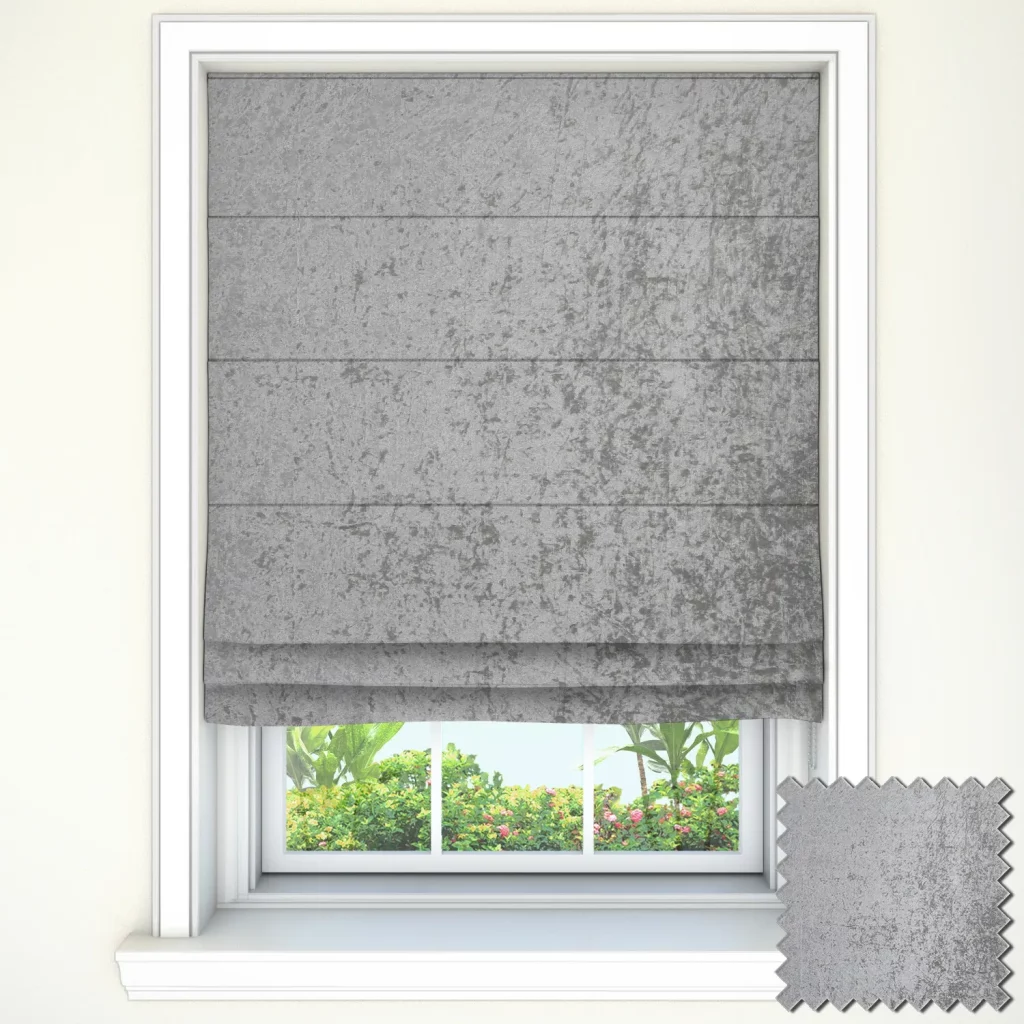
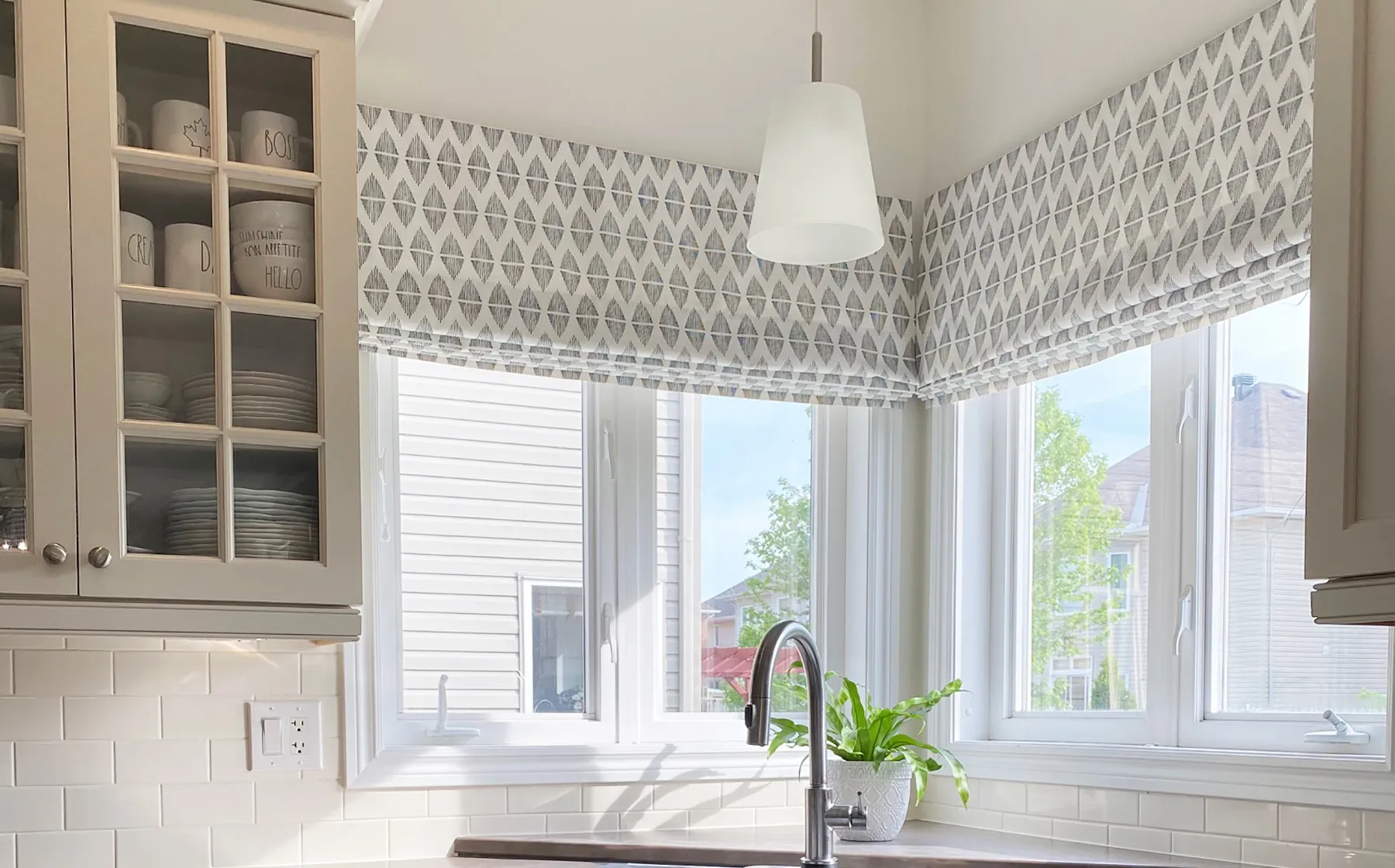
    7. Roman Blinds

    Roman Blinds

    Roman Blinds are good for small windows. Nowadays some Roman Blinds now come with electric options. Instead of using traditional pull cords, you can use an app to easily raise and lower the fabric. This feature makes it simple to access small windows that are hard to reach. 

    They are made of nice fabric and come in many colors and patterns. You can use them in your living room, dining room, or bedroom. These include flat, soft, plain, pleated, hobbled, and European folds. These new fabrics and styles make them look nice and work well on any window.

    8. Venetian Blinds

    Venetian Blinds

    Venetian Blinds are a stylish choice for your home and work well on small windows. These small blinds are good for tiny kitchen windows too. They are easy to clean if you spill something.  They have slats that you can move up or down to let in more or less light. They help make your kitchen or any small room look bigger and add nice style.

    Venetian Blinds have horizontal metal slats that adjust how much light you want in the room. Venetian blinds are a good choice for small rooms because they let you control how much light comes in. They come in many colors and materials, so you can find one that looks nice with your walls.

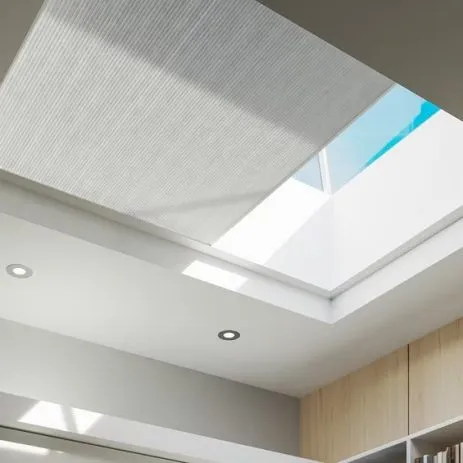
    9. Skylight Blinds

    Skylight Blinds

    Skylight windows let light into your home but you can use blinds to block some of that light. For these small windows, pick blinds that fit well and don’t have cords. This stops wires from hanging down. There are different kinds of blinds that fit skylight windows. Roller blinds look nice and are easy to use. You can find them in different colors and styles to match any room.

    You can find blinds for skylight windows in different shapes and sizes as well. There are many colors and fabrics to choose from, so you can match them with your room. If you want to make a room completely dark, you can find blackout blinds, too.

    Conclusion

    Picking the right blinds for short windows can make your room look bigger and brighter. Choose blinds that are slim and light, so they are easy to use. You can pick roller blinds, Roman shades, or mini blinds, depending on what you like. There’s a type of blind for everyone. If you want the best blinds for small windows, visit Aura Curtains. They have lots of premium and affordable choices.

  • Can You Put Roman Shades Over Blinds?

    Can You Put Roman Shades Over Blinds?

    When it comes to window treatments, layering is a concept that works both on the aesthetics and functionality of them. The most often used stack-and-layer strategy now is placing the Roman shades over blinds. This combination has its aesthetic benefits and is also functional by providing more control of light and improved insulating capability. 

    However, some things should be considered when choosing Roman shades over blinds, such as functionality, appearance, or the way that they’re hung. This comprehensive guide will answer the question: Can you put Roman shades over blinds? Let’s delve into the details of this versatile combination of window treatments.

    What Are Roman Shades?

    Roman shades are elegant and unrestrictive window treatments created from fabric that is pulled upward into narrow, clean folds. Available in numerous beautiful fabrics, Roman shades give a room the softness that standard blinds cannot. They come in different types; simple flat colors to those with cascading pleats and can be of any fabric type; cotton, linen, velvet, or silk among others.

    While Roman shades effectively control light and offer a nice level of privacy they are very simple and understand elegance. When they are drawn up, they stay in great accord and form nicely without occupying much space like other designs of curtains. 

    What Are Blinds?

    Blinds are a specific type of window treatment built from horizontal or vertical slats designed to allow the user to vary the extent of light that can enter a room. There are numerous types of blinds: wooden, metal, plastic, or fabric ones, which vary in possibility to filter light, to provide a certain amount of privacy, or to be insulated.

    One of the most common types is wooden blinds since they give a room the natural feel, warmth, and texture that every home requires. 

    Can you put Roman shades over the blinds?

    The simple answer is yes! You can place Roman shades over blinds and this can work. It is one of the best ways to mix the two to create chic window coverings. Placing Roman shades above blinds allows greater customization of light, privacy, and warmth in your home in addition to the chance to express individuality through choice of fabric and design.

    Here are the primary advantages and the main points to consider when draping both kinds of window coverings.

    1. Light Control and Privacy:

    One of the greatest advantages of layering Roman shades over blinds is adjusting the light level. Some types of blinds are Venetian Blinds, particularly wooden ones – the slats can be rotated with a tilt rod to alter the incidence of light. 

    However, tiny cracks where the excess material tries to fit in and thin strips of light remain can be seen. Roman shades can be installed on top of the blinds so that you will have double light control in the room.

    When the Roman shades and the blinds are pulled down, there is total blackout as no light gets in; this is important in bedrooms or media rooms where the amount of light is of the essence. 

    2. Aesthetic Appeal:

    Blinds can be layered with Roman shades as they are practical and impressive. Blinds are neat and well-defined in both structure and look and then you have the laid-back Roman shades which are softer and elegant. When both of these are used together, they perfectly balance the interiors. 

    This layered design potential allows you to present a completely different and corresponding appearance to the interior design.

    For example, if you have wooden blinds with a grainy pattern, using Roman shades over wood blinds can give depth to the window dressing. For the Roman shades select more see-through fabrics so that they sharply contrast with the weight and lavishness of the wood.

    3. Improved Insulation:

    Roman shades and blinds can help insulate the house, if they are layered,  they will give even better seclusion. If you opt for insulated lining in Roman shades including the thermal-backed or blackout fabric, they are excellent in providing insulation with the added benefit of regulating the room’s temperatures all through the seasons.

    During the winter months, the layered barrier stops the heat from coming from outside during the summer, the heat is also locked outside. 

    4. Protection for Your Roman Shades:

    A third reason why Roman shades should be put over blinds is that the blinds can act as a shield for the fabric of the Roman shades. Blinds will prevent dust, ultraviolet radiation, and dirt that can affect your Roman shades in various ways. If you cover both simultaneously, you also shield the finer fabric of the Roman shades – which can lengthen its life span.

    Additionally, cleaning wooden blinds is easier than cleaning the Roman shades and they might need washing or spot cleaning more often. 

    5. Customization and Flexibility:

    It allows one to put several layers of treatment along the same window and ensure that they are of different styles, colors, and materials. The Roman shades provide more tradition than wood blinds do; For a more modern appearance, you can alter the texture of the blinds by changing the type of fabric used. 

    If you are unsure whether to go with a heavy fabric or a light, you need to try an almost transparent Roman shade, try it, and if it does not work, switch to another without delay before the season or the specific atmosphere changes.

    This ability to individualize the windows particularly comes in handy if you’ve targeted a specific interior décor theme, be it modern, rustic, contemporary, or even coastal.

    Things to Note When Using Roman Shades over Blinds:

    Even though multiple layering can have a lot of benefits, several points must be considered before using such an option.

    1. Installation Complexity:

    Purchasing and mounting Roman shades and blinds involves some considerations. Roman shades will require proper fixing over the blinds without causing complications in the blinds’ functionality. Generally, blinds usually go in before the Roman shades are put up on top of the blinds. 

    The dimensions of the window should be taken correctly to accommodate both treatments and also to make sure the Roman shades don’t interfere with the functioning of the blinds.

    Each treatment may require a separate mounting system, and sometimes, you may have to change the position of the hardware. This might even complicate its installation more than just a single type of window treatment.

    2. Space Considerations:

    When layering Roman shades over blinds, a person needs to consider the space in the window area. In some cases especially where the window is positioned in relatively small rooms, there may not be enough space in depth to provide both the treatments without making the room appear cramped. 

    If your window is rather small, or if there is not enough space around it, then these layered treatments may hinder the blind’s functionality or indeed make the space feel rather confined.

    In rooms with expansive openings like large windows, Layering typically appeals because there is enough room for both treatments to be added without compromising the room’s aesthetics. It should, however, be possible to contain all these treatment regimes in the room without congestion of the room.

    3. Increased Maintenance:

    Blinds covered by Roman shades provide another level of protection and also can lead to additional cleaning. Blinds must be dusted and cleaned regularly while Roman shades especially the fabric type will need washing at some time.

    Blinds are not very hard to wash but Roman shades might have to be washed by a professional cleaner or require special handling based on the material used for them. In case you select your fabric you might prefer if you’re willing to take the time for the additional cleaning and agitation.

    4. Light Gaps:

    Although you get better control of light by using Roman shades over blinds, there may be some areas of light penetration, particularly if the Roman shades are not well fitted onto the frames of the windows. The edges of the blinds may also have light gaps if the blinds are not well controlled. 

    There are many Roman shades available on the market today but they can be categorized into those with side channels or a more tailored look to reduce unwanted light from getting into the home. However, if you want to completely block the light from getting in then you could use a thicker and less transparent fabric for the room’s Roman shades.

    The Best Types of blinds to pair with Roman Shades:

    This is a recommendation you can take for Roman shades because not all blinds work well with this type of window treatment. Probably the most famous coordination is using Roman shades combined with Wood Blinds. The granular texture of wood can bring a nice warm feeling into your house, aligning it with fabric Roman shades creates a very welcoming look.

    However, other blind styles can also work well, such as:

    Faux wood blinds: These are similar to the wooden ones in appearance but are cheaper and much easier to care for.

    Vertical blinds: For extra-large windows and sliding doors, you can choose both vertical blinds and Roman shades that may give a dramatic look to your windows.

    Venetian blinds: These provide a chic and sophisticated look and feel and can be combined with Roman shades to give that modern look.

    Aura Curtains deals with elegant Roman shades and blinds ideal for matching and coordinating as window coverings at homes. In the case that one wants to add Roman shades over blinds to embrace privacy, control light and heat, or for insulation, Aura Curtains provides various choices of window treatment with options that can be adjusted according to the client’s requirement. 

    Their Roman shades over wood blinds complement the rooms’ brunches of sophistication and functionality with an addition of soft fabric textures on wooden blinds. Aura Curtains not only supplies excellent-quality window coverings but also has professional installation service to ensure the natural combination of these layers to make your house elegant and energy-saving. 

    Conclusion: 

    If you want to combine Roman shades over blinds to give a traditional and warm look, this combination offers various advantages as far as privacy, light control, and insulation are concerned.

    Before deeming it the final choice, you should think about your space, style, and maintenance level; however, if each approach is done right, this multi-layering can improve the overall aesthetics of a room and optimize the functionality of window treatments.

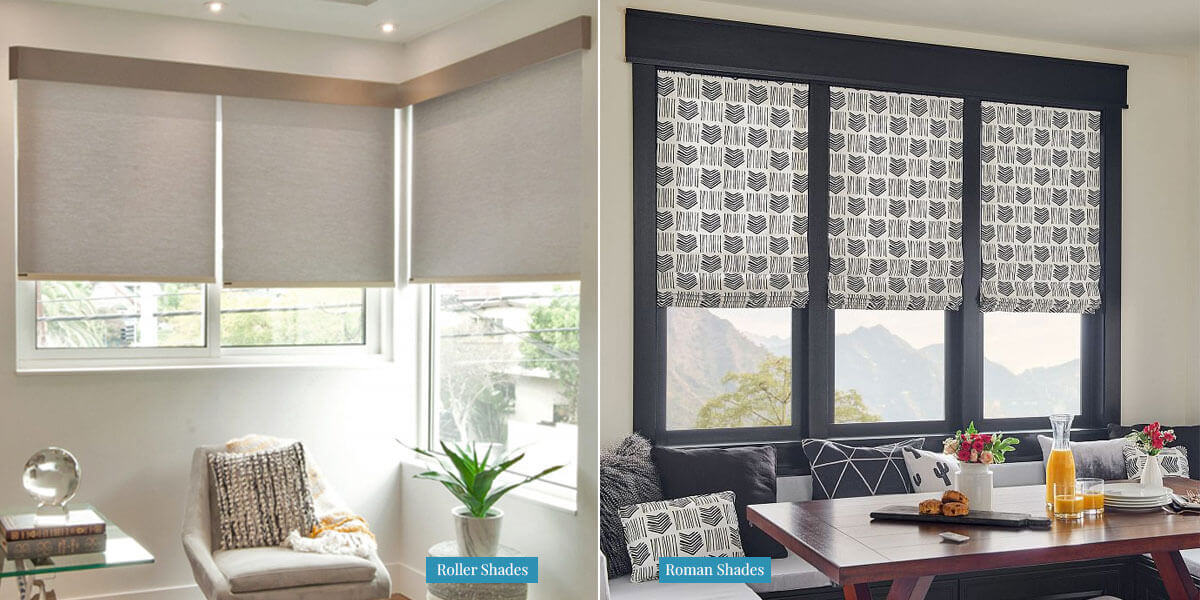
  • Roman Blinds vs Roller Blinds – Which Should You Choose?

    Roman Blinds vs Roller Blinds – Which Should You Choose?

    One of the most difficult decisions homeowners have to make when selecting window treatments is between Roman blinds and Roller blinds. The two types are commonly practiced, effective, and attractive, and allow for a good combination of utility and design. If you’re interested in the sophistication of Roman blinds or the pragmatic functionality of Roller blinds, there are significant differences between the two that you need to know.

    As more than merely fixtures, used to cover up windows; Roman blinds and Roller blinds are essential design components. It should be noted that they also have two functions: a beautification function and a function of a divider, a curtain, a filter, and even a light regulator, and energy saver. Nevertheless, they serve different purposes or have different taste demands. 

    The following is a brief guide to enable you to compare Roman blinds vs roller blinds based on design, functionality, light control, ease of use, and cost. Also, we will give a guide on what is a Roman blind? And what is a Roller blind? To equip you with all the information that you may need for your house or office.

    What is a Roman Blind?

    A Roman blind is a type of window covering which comprises one piece of fabric that is operated to create horizontal folds when pulled up. These are fancier than most blinds and are best described as a cross between curtains and blinds. These features provide functionality as well as an aesthetic appeal by folding into each other hence are used in the living room, dining, and bedrooms.

    Key Features of Roman Blinds:

    1. Fabric Variety: The great variety of Roman blinds with different fabrics and materials for creating them including cotton, silk, linen, and some synthetic fiber blends. It means that it is impossible to get bored while accessorizing it because there are many different patterns to cater to every decor and personality.

    2. Customizable Styles: Curtains are available in different pleats, including flats which produce a contemporary look, and also hobbled designs which give off a classic look.

    3. Insulation Benefits: These blinds are constructed in several layers and as such give good insulation against heat or cold making them a perfect match for homeowners who are conscious of energy consumption.

    4. Decorative Appeal: The pleated design is another act of making some unique and quality statement, ideal for areas such as the dining room or master bedroom.

    What is a Roller Blind?

    A Roller blind is one of the simplest stylized blinds where the fabric is rolled over a cylindrical tube with no other supporting framework. Most suitable for today’s minimalist style houses, roller blinds have a clean look that is appreciated by many.

    Key Features of Roller Blinds:

    1. Sleek Design: Being plain looking and having a simple design, Roller blinds are perfect for enhancing minimalist types of premises.

    2. Practical Operation: Roller blinds are easy to use and effective since a chain, spring, or motor pull them down.

    3. Durability: Some roller blinds are produced from moisture and UV-protected fabrics; are ideal for use in Kitchens, Bathrooms, and Verandas.

    4. Wide Range of Fabrics: A Roller blind can be made from sheer materials to let in some light to the blackout fabrics which gives complete privacy.

    Roman Blinds vs Roller Blinds: A Detailed Comparison

    The two types of blinds, Roman blinds, and Roller blinds are similar in that you must make a choice based on your personality, characteristics of the room, and affordability. To assist you with this decision we have provided a detailed comparison of Roman blinds vs Roller blinds as follows:

    1. Design and Aesthetics:

    Roman Blinds: Used to create elegance in a room, these curtains are famous for their richness in a room. This kind of fabric produces an awesome structure that makes it appropriate for living room or bedroom wear. That is why they are frequently installed as a focal point in interior design.

    Roller Blinds: Roller blinds are all about simplicity and the modern attribute. They boast a slim profile which makes them suitable for use in modern and featureless interiors. They are preferred most in homes having plain and simple decoration.

    2. Light and Privacy Control:

    Both Roman blinds and Roller blinds can be personalized with fabric materials with control of amounts of light being sheer to blackout.

    Roman Blinds: Generally, light in those blinds is thrown softly and this helps in giving a warm touch to any room. Nevertheless, it enables light in small measure through the edges of these panels, which are pleated.

    Roller Blinds: Providing better control of the light considering the blackout fabrics, Roller blinds are ideal for bedrooms, home theaters, and working places.

    3. Functionality:

    Roman Blinds: This implies that Roman blinds are better fitted for places where fashion comes first. Roman blind’s fabric folds and working are not so robust compared to Roller blinds and therefore may not serve well in areas with high traffic.

    Roller Blinds: Versatile and hard-wearing, Roller blinds are suitable for kitchens, bathrooms, dining, and conference rooms. This means that they will last longer, any time the extra features may become useful; is in busy households.

    4. Maintenance and Cleaning:

    Roman Blinds: Dust loves to settle in the folds of the Roman blind and thus frequent cleaning is needed. Brushing with vacuum cleaners and occasional professional cleanings are needed in order to keep them looking like new.

    Roller Blinds: Roller blinds are much easier to maintain and clean, you just may use a sponge soaked in water to wipe the fabric. They have a plain look and hence do not require much attention in cleaning and their design allows them to be appropriate for homes with kids or dogs.

    5. Budget Considerations:

    Roman Blinds: This kind of blinds usually cost more because of the design and material used, as well as the process that is also more complex.

    Roller Blinds: Roller blinds are cheaper and represent value for the money, particularly for large windows or for multiple blinding in rooms.

    Why Choose Roman Blinds?

    If you’re considering Roman blinds then here are the standout benefits:

    1. Luxurious Look: The fold created serves as an addition of glamour compared to other Window Blinds and that is why Roman blinds are ideal for formal rooms.

    2. Versatility: Roman blinds are available in different textures, prints, and colors and thus can be fitted in any home décor.

    3. Energy Efficiency: It is mostly because of the multiple barriers that accommodate the occupants as well as control the temperatures making the energy bills low.

    4. Comfort and Warmth: Roman blinds give the room a warm and homely feel to them, and this makes them suitable for bedrooms and living rooms.

    Why Choose Roller Blinds?

    Among all types of blinds currently available for purchase, roller blinds can be called practical and concise both in terms of design. Key benefits include:

    1. Ease of Use: Functional and easy-to-use Roller blinds do not take much time to operate and they can be operated manually or with a motor.

    2. Durability: Roller blinds are easy to operate and come in moisture-resistant material that can be installed in kitchens, bathrooms, and outdoors.

    3. Affordability: Roller blinds are a cheap way of closing the large or many windows in a single room.

    4. Minimal Maintenance: It is rather easy to clean, therefore offering convenience, especially for families with young children and or frequently arriving guests.

    Roman Blinds vs Roller Blinds: Factors to Consider

    To choose between Roman blind vs Roller blind, ask yourself the following questions:

    What is the purpose of the blinds as related to the curtains?

    If you need blinds for decoration, then the optimum should be made of Roman blinds.  Select Roller blinds for simple installations such as to mask an area or be easily washed.

    What is your interior style?

    Roman blinds are suitable for use with traditional interiors. Roller blinds are particularly suitable for minimal and modern style themes.

    What is your budget?

    For a richer look and if you are willing to spend more, Roman blinds are the best to buy.If it comes to an affordable yet effective solution, the best bet is Roller blinds.

    Aura Curtains is the best window solution if you are based in the UAE for your high-end window needs. Homeowners have numerous choices with veiling solutions, and both Roman blinds and Roller blinds are easily available at Aura Curtains company which provides homeowners with good style, functionality, and excellent quality of each product. If you’re comparing Roman blind vs Roller blind for your home, Aura Curtains has it all. 

    Their specialists also consult you with blinds that suit your direction in the house and style. When you order from them, you get perfect fitting and smooth-running window treatments and their professional fitting services, all at reasonable prices.

    Conclusion:

    Therefore, the decision between Roman blinds and Roller blinds depends on what you need, the look you want, and have the money for. Roman blinds are also perfect at offering timeless sophistication and warm comfort thanks to the texture of the fabric. On the other hand, Roller blinds are arguably the most sophisticated and simple in design and also functional.

    Aura Curtains ensures you get the best of Roman and Roller blinds by availing expert services in blind manufacture and installation. Upgrade your windows and enhance your house’s beauty, from their elaborate range of products today.

  • What is the Best Fabric for Roman Blinds?

    What is the Best Fabric for Roman Blinds?

    When choosing window coverings, think about durability and function. Some fabrics resist sun, water, and heat damage better than others, helping them last longer. Common choices for Roman blind fabric include cotton, linen, and polyester. These blinds work well for small windows or tight spaces because they don’t overwhelm the room. They are easy to open and close to control sunlight. Roman blinds also style your room without taking up extra space or distracting from your other decor. With that said, let’s find out the best fabric for Roman blinds. 

    Is There Only One Best Fabric for Roman Blinds?

    It’s not like that. Cotton, linen, and voile fabrics are the top choices for practical Roman blinds. These Roman blind fabrics give a good balance of style, ease of handling, and lightweight layering. These Roman shades fabric or blinds fabric work well for creating smooth pleats and are ideal for rooms that don’t require heavy-duty blinds. Blackout lining can be added to thinner fabrics for increased privacy and light control. Less common choices like upholstery fabrics or faux leather are thicker and heavier. These Roman shades fabric make it harder to manage the blinds and shades, especially when they require easy folding.

    Selecting the best fabric for Roman blinds depends on your needs. For low maintenance and durability, choose hardy materials. If style is your priority, expect to spend extra time cleaning delicate fabrics. Not only that, thicker or lined options can help with privacy, light blocking, or temperature control, depending on your room’s requirements.

    Choosing the Best Roman Blind

    When picking fabrics for Roman blinds, choose ones that are thick enough to look nice but not too stiff to move. The fabric should be just right. They shouldn’t be too heavy and not too light. You can use a lining for lighter fabrics to help them keep their shape. Make sure the fabric doesn’t stretch so it fits well and doesn’t sag. Most roman blinds need lining to help them last longer and look better, except for sheer fabrics, which are see-through and don’t need it.

    Pure Linen

    Pure Linen is a strong, natural fiber ideal for Roman blinds due to its perfect blend of weight and structure, holding shape beautifully without sagging. Its slight stiffness allows easy adjustment without the bulk of heavier fabrics like velvet. Available in various colors and textures, linen fits any style, from casual to sophisticated, while giving a breathable, organic feel that helps regulate light when paired with a lining, making it both functional and stylish.

    Linen Blends

    Linen blends, usually combined with cotton or synthetic fibers, offer the perfect mix of durability, structure, and softness for Roman blinds. This balanced weight makes them easy to handle while still holding their shape for a better look and function. Linen blends are also highly customizable in color, texture, and pattern, making them versatile enough to look good on any home decor. Their sturdy yet soft composition offers long-lasting wear.

    Cotton 

    Cotton is a natural fabric that is soft, breathable, and durable. When used for roman blinds, cotton combines practical benefits with attractive looks. Its medium weight gives strength and helps the blinds last longer while keeping their shape. Unlike delicate materials like silk, cotton is easy to take care of. You can wash it or vacuum it, making it a convenient choice for homeowners. Its natural texture creates a cozy and inviting atmosphere in a room, making it a cool combination for many home decor styles.

    Cotton Blends

    Cotton blends are made by mixing cotton with synthetic materials like polyester or nylon. These blends provide better performance and have several benefits, such as being water-resistant and fire-safe. They also resist fading from sunlight. This makes cotton blend roman blinds great for damp areas like bathrooms and kitchens. Their durability helps them withstand environmental factors. Not only that, cotton blends keep the natural look of cotton, making them perfect for cozy styles like boho-chic, cabin, or coastal interiors. The blend improves functionality without losing the warm feel of cotton.

    Voile 

    Voile fabrics are light and airy. They let in a lot of light and air while still providing some privacy. Voile roman blinds work well in rooms that don’t face the street or where privacy isn’t very important. Because they’re lightweight, they won’t make smaller rooms feel heavy. However, this thin fabric can tear easily compared to cotton and linen. For this reason, these blinds are better for adult spaces and places where the blinds won’t get caught on sharp edges. Choose voile blinds if you want to let in plenty of light.

    Wool

    Wool is a natural fabric known for being soft, warm, and durable. It helps keep your home cozy. Like linen, 100% wool has special features that make it appealing, such as its ability to stretch slightly over time, giving it a relaxed yet tailored look. You can find wool fabrics for Roman blinds in both pure wool and blends. Wool blends often include materials like polyester or viscose, which help resist wrinkles and improve durability. This makes them versatile and easy to care for in different room styles.

    Chenille

    Chenille fabric, named after the French word for caterpillar, has a soft and shiny finish. It is made from twisted fibers of cotton, rayon, or olefin, which makes it strong and good at keeping heat. This makes chenille a great choice for thermal or blackout blinds. However, it needs extra care. You often have to get it professionally cleaned or wash it by hand to prevent stretching. This makes it more high-maintenance than other types of roman blinds.

    Silk

    silk is a good choice if you want a nice fabric for both fancy and formal rooms. It looks shiny and pretty for living rooms, dining rooms, and bedrooms. But silk doesn’t like bright light, heat, or water. Make sure to cover it so the sun doesn’t damage it, and don’t put it in places like bathrooms or kitchens where it can get wet. If you like silk but think it’s too hard to take care of, you can choose fake silk instead.

    Faux Silk

    Silk is famous for its elegance and is a popular choice for roman blinds. You can choose between real silk, made from silkworm cocoons, and faux silk, which is usually made from polyester. Real silk has a shiny feel, while faux silk is more durable and resists fading. Both types can improve the luxury of formal areas like living rooms and dining rooms. All silk blinds are delicate and costly. It is best to use them in dry places and handle them gently to prevent damage.

    Velvet

    Velvet Roman blinds give a luxurious touch to the formal decor. They have a rich and soft texture and a subtle shine. While they bring warmth and sophistication to a room, velvet can pill, but regular vacuuming helps keep them looking good. Their heavy fabric makes them perfect for smaller windows or as accent pieces, but they can be hard to open and close on larger windows and may block more light than lighter fabrics. Still, their rich style and cozy feel make them a good investment for anyone wanting a high-end, timeless look in their home.

    Woven Woods

    Woven wood fabrics, made from natural materials like grasses, reeds, bamboo, and jute, provide an eco-friendly look that gives warmth and beauty to any room. These durable fabrics allow light to filter in while maintaining privacy. They mainly come in Flat Roman blinds, which have a modern style, but you can also find some that work with Cascade Roman blinds. These have a flowing design that looks sophisticated. Woven wood window treatments are perfect for those who want both style and practicality. It allows insulation and control over light.

    Polyester 

    Polyester is a good choice for roman blinds. It is strong, cheap, and doesn’t wrinkle. These blinds dry fast and are easy to clean. They work well in bathrooms because they can handle moisture. However, they can hold onto smells, so they aren’t the best for kitchens. When picking polyester blinds, choose ones that feel nice and not too thin.

    Conclusion

    Now you know about the best fabric for roman blinds. We talked about fabric for Roman shades and blinds. When choosing fabric for Roman blinds, think about your style and what you want. Keep in mind how much light you want in the room and if you need privacy. Stiff fabrics like cotton and linen are good for a neat look. Soft fabrics like wool are great for a more laid-back style. Heavier fabrics help keep your space private and control the light better. 

    And lighter fabric for Roman shades and blinds, like sheers, let in more natural light and give a fresh feel. For rooms with moisture, like kitchens and bathrooms, pick fabrics that are strong and easy to clean. Living rooms and bedrooms can look beautiful with rich materials like velvet. Lastly, for the best Roman blinds, contact Aura Curtains or visit us today.

  • The Best Blinds for Small Windows: A Comprehensive Guide

    The Best Blinds for Small Windows: A Comprehensive Guide

    When interior designing or even redesigning a particular room, there is always the somewhat tricky issue of small windows. These windows can be installed in many rooms, such as bathrooms, kitchen stairs, or hallways.

    Regardless of the area, the right blinds will make a considerable difference not only in the aesthetic point of view of a room but also in its usability. Selecting the best blinds for small windows depends on the size, type of material, and available options for light regulation.

    In this guide, we are going to establish several types of small window blinds that can change your ambiance. In terms of style, there are many possibilities here, whether your goal is privacy or an influx of light.

    Why it is important to get the Right Blinds for Small Windows?

    Small windows are not the main attraction of a living space most of the time but their treatment matters. Deciding on the correct blinds for small windows is crucial to avoid putting pressure on the area yet providing effectiveness in functionality. Small windows are typically in need of blinds that are properly fitted, in correct proportion to the window, for the desired light control and which are appropriately colored and textured to the context of the room they are in.

    Some of the key considerations when choosing small window blinds include:

    – Size and Fit: Blinds should ideally measure the size of the window to avoid having unnecessary gaps or were the blinds too large, they would overpower the window completely.

    – Light Control: Think about how much of the natural light you intend to let into your home. The best blinds for small windows will enable you to manually control the level of light that is allowed into the room.

    – Style and Aesthetic: The blinds should complement the furnishings by making the room look good without overemphasizing an already small window. Modern designs that are elegant, simple, and elegant are always suited for small areas.

    Types of blinds that suit Small Windows:

    Some of these blinds cannot be fitted for small windows. Here are some of the best options to consider:

    1. Venetian Blinds:

    Venetian Blinds

    Venetian blinds are arguably one of the most suitable types of window blinds for small window treatments. These small blinds will comprise a panel of horizontal bars, which can be rotated to allow light or privacy into the room. They are distinct, uncluttered designs and are available in a range of materials such as wood, aluminum, and PVC to fit different rooms.

    Advantages: Easy to control the amount of light let in; they come in assorted materials and colors and can be installed nearly anywhere in the house, including the kitchen or bathroom.

    Best for Residents seeking a simple and elegant design of blinds for small windows for the house.

    2. Roman Shades:

    Roman shades are significantly more popular than the standard blinds for many people. They are of fabric that can be folded neatly when pulled up and are ideal for areas where an uplifting but not as crisp look is preferred. It is known that Roman shades provide great light control; there are numerous choices regarding fabric, color, and pattern.

    Advantages: Smooth texture gives an esthetic look to the room, has a variety of fabrics to choose from, and regulates the amount of light as well as privacy level.

    Best for: Kitchenettes and corridors, entrance halls, cloakrooms, corridors, and short windows where a relative emphasis is still placed on the decorative element.

    3. Roller Blinds:  

    Roller blinds are uncomplicated yet very reliable. It is a one-piece blind, and if you are not using it, you simply need to roll it up. Roller blinds are the best for short windows, as they can be completely rolled up to allow maximum light onto the full window.

    Advantages: Streamlined, modern design; easy to operate; compact footprint; available with blackout or light-filtering fabric.  

    Ideal for: Bathrooms, kitchen areas, or other rooms where you want to allow as much natural light in during the day.

    4. Cellular (Honeycomb) Blinds: 

    Made for light and energy efficiency, cellular blinds, also known as honeycomb shades, offer the room some insulation, making it warmer in winter and cooler during summer. Many types of cellular blinds are available for various cell sizes, making them a convenient option for small window blinds.

    Advantages: Insulates the window, has very good light control options, and comes in single, double, or triple layers for extra energy efficiency.  

    Good for: Homes in cold climates or anyone wanting a very energy-efficient window treatment.

    5. Café Blinds:  

    Café blinds, sometimes called half-height blinds, are fitted only to the bottom part of a window, leaving the upper part free for daylight. These are great examples of short window blinds, especially in kitchens or bathrooms where privacy is needed at the lower portion of the window.

    Pros: Provides privacy on the bottom while allowing sunlight at the top; works well in kitchens, and bathrooms, and gives a relaxed country look.  

    Ideal for: Tiny kitchens, bathrooms, and small dining spaces with shorter windows.

    Materials for small window blinds:

    Blind material is also significant for functionality and appearance. Here are some of the popular materials to consider for small blinds:

    – Wood: Gives a traditional, organic appearance but is not appropriate to use in areas with lots of steam such as the shower.

    – Aluminum: It is light in weight, hard-wearing as well as moisture-resistant, giving it applicability in the circulation areas such as kitchens and bathrooms.

    – Fabric: Similar to Roman shades fabric blinds give the room warmth and coziness but can be more difficult to clean.

    – PVC: Appropriate for the area where humidity levels are high, PVC blinds are resistant to wear, simple to wash, and not expensive.

    Styling Tips for Small Windows:

    When dressing the best blinds for small windows special attention should be paid not only to the windows themselves but to the room’s interior as well. Here are some styling tips to enhance your space:

    – Choose Light Colors: Blinds with lighter colorations will cause the windows to look larger and contribute to the illumination of the room.

    – Minimalist Designs: This means that you should select stylish and elegant doors that do not overlap with the windows or the whole room.

    Match Blinds to Walls: Speaking of blinds, when the blinds are the same color as the wall, the window will blend in more easily with the rest of the interior.

    Conclusion:

    It is essential that when looking for the best blinds for small windows we are not only looking for size but functionality, style, and how they fit with the rest of your decor. From the classic Roman window shades to the simplified roller blinds or the energy smart cellular blinds, you will always find a match for your small window.

    As much as the size, the type of material used, and the organization of your blinds, you can make your home more beautiful and functional. But with reliable sources such as Aura Curtains, you be certain that the small blinds you buy fit the windows appropriately and beautify the house.